NipOff

Things to do in Brazil: the top 50 attractions

The 50 most visited places in Brazil, from Christ the Redeemer, Sugarloaf Mountain and Iguaçu Falls (Brazilian side) - with the best time to go, how long to allow and what to eat and drink.

Petty and violent crime is common in big cities; avoid entering favelas without a reputable guide.

Plan a trip to Brazil Find hotels

Things to do by city and region

Top 50 places to visit in Brazil

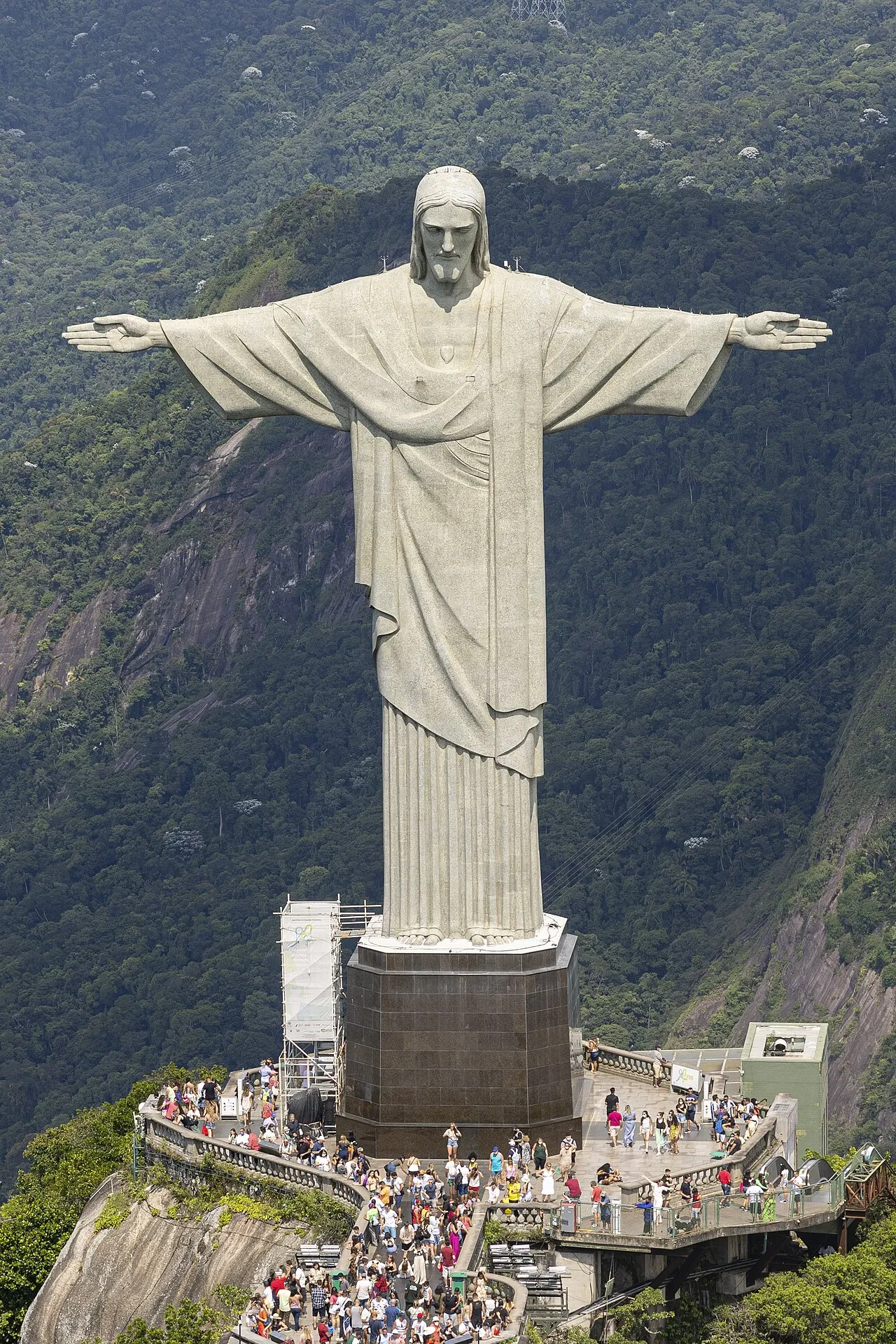
  1. Photo: Arne Müseler / CC BY-SA 3.0 de, via Wikimedia Commons

    Christ the Redeemer

    Rio de Janeiro · New Seven Wonder, Statue

    Christ the Redeemer is Rio de Janeiro's iconic Art Deco statue, standing about 30 metres tall on the summit of Corcovado mountain. Named one of the New Seven Wonders of the World, Christ the Redeemer offers breathtaking views over Rio, Sugarloaf Mountain and the beaches. Go early on a clear morning to avoid clouds and crowds.

    Best: Clear mornings · Allow Half day

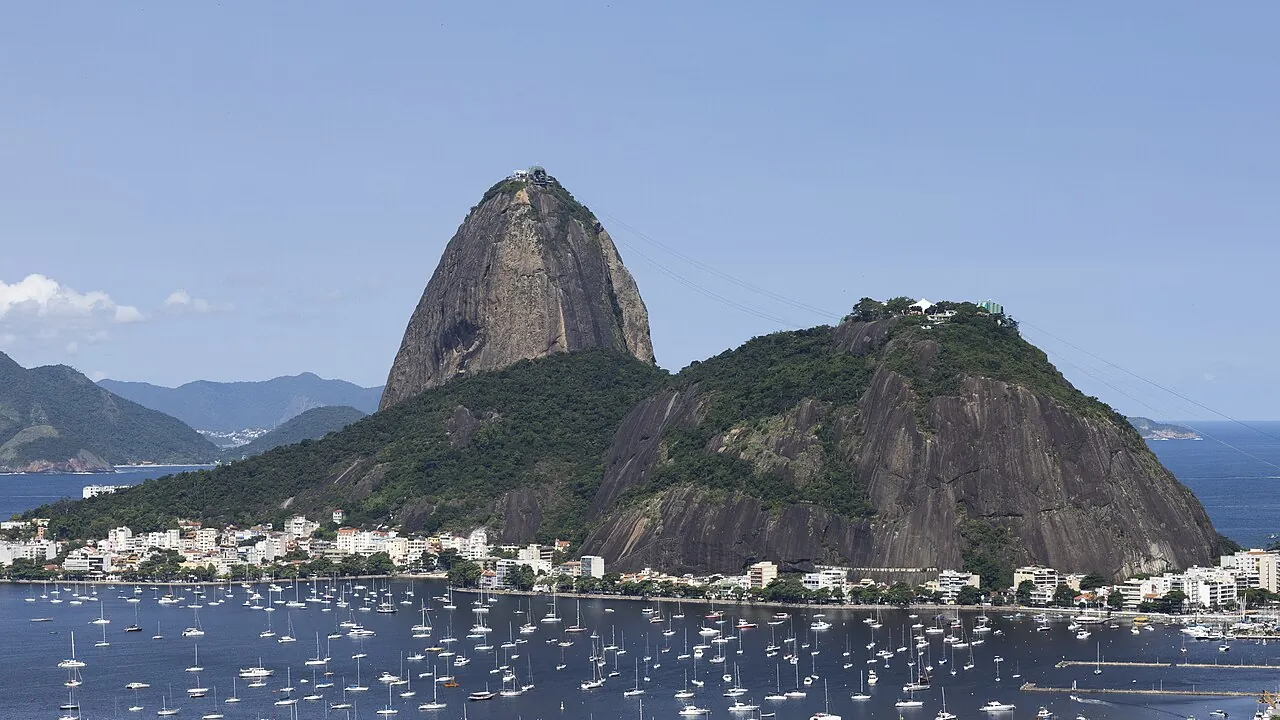
  2. Photo: Arne Müseler / CC BY-SA 3.0 de, via Wikimedia Commons

    Sugarloaf Mountain

    Rio de Janeiro · Cable Car, Viewpoint

    Sugarloaf Mountain is one of Rio de Janeiro's most famous landmarks, rising from the water at the mouth of Guanabara Bay. A two-stage cable car climbs Sugarloaf Mountain via Morro da Urca, offering spectacular views of Copacabana, Christ the Redeemer and the city. Sunset is the most magical time to visit.

    Best: Sunset · Allow 2-3 hours

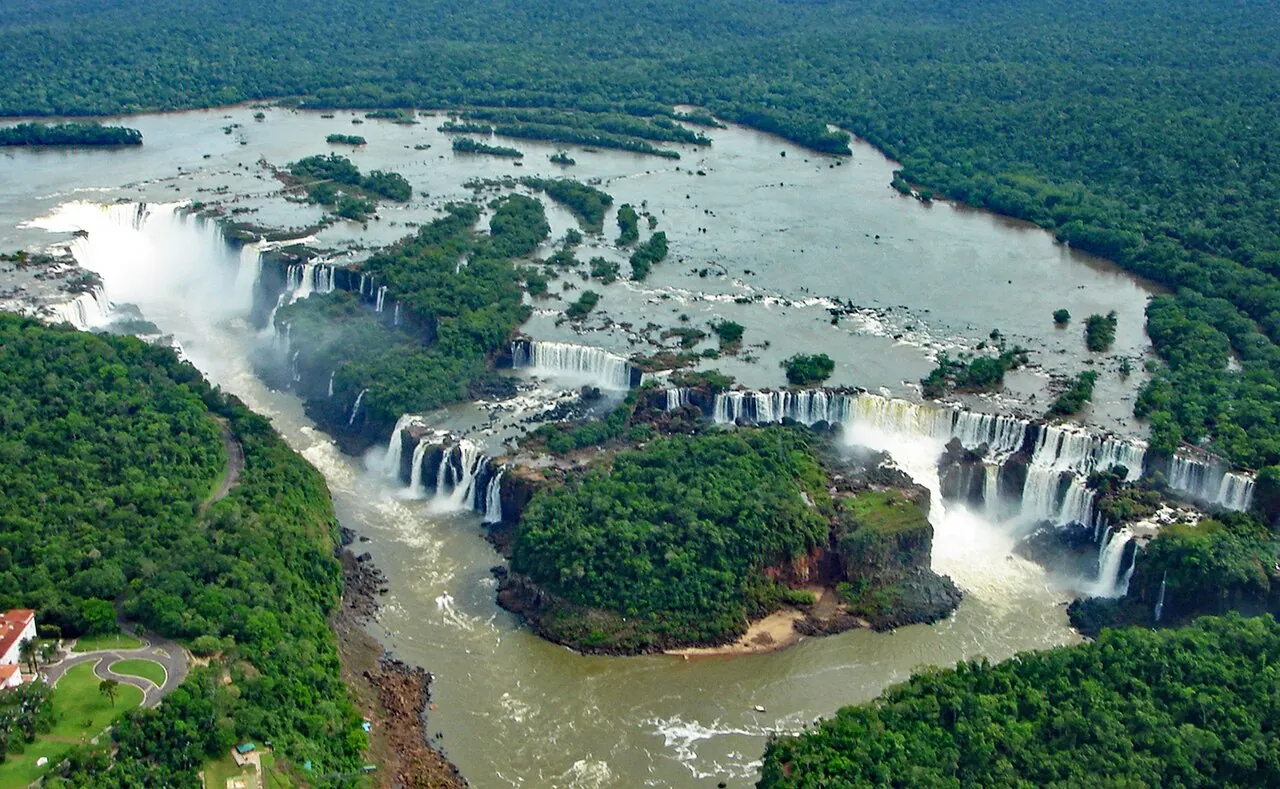
  3. Photo: Mariordo (Mario Roberto Durán Ortiz) / CC BY-SA 4.0, via Wikimedia Commons

    Iguaçu Falls (Brazilian side)

    Paraná · UNESCO World Heritage Site, Waterfalls

    Iguaçu Falls on the Brazilian side offers the best panoramic views of the vast waterfall system shared with Argentina, with around 275 individual falls. A walkway at Iguaçu Falls leads close to the Devil's Throat, where visitors are soaked by spray. It is part of a UNESCO World Heritage-listed national park.

    Best: March to May, August to October · Allow Half day

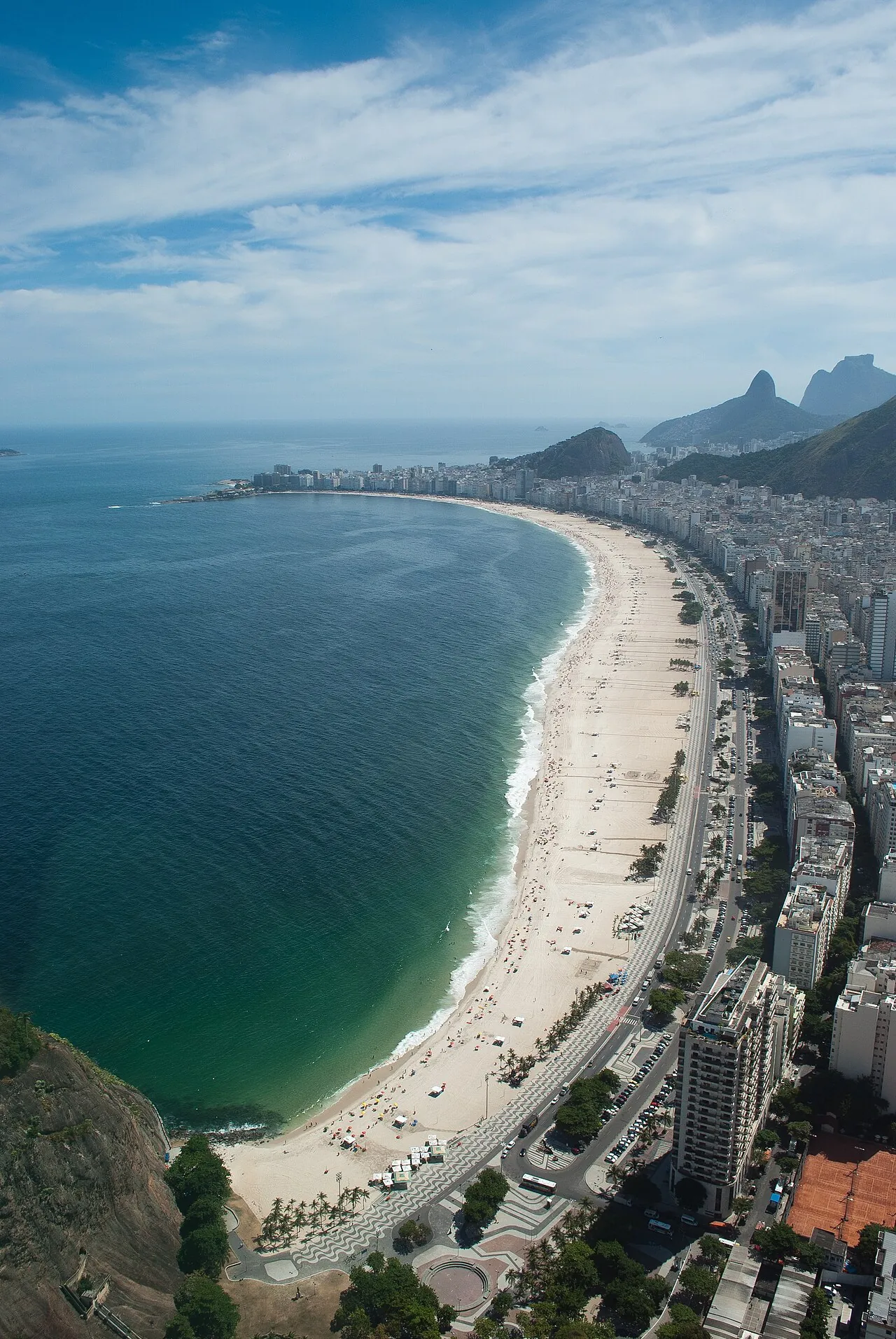
  4. Photo: Gustavo Facci from Argentina / CC BY-SA 2.0, via Wikimedia Commons

    Copacabana Beach

    Rio de Janeiro · Beach

    Copacabana Beach is Rio de Janeiro's world-famous 4 km stretch of golden sand, lined with hotels, kiosks and the iconic wave-patterned promenade designed by Roberto Burle Marx. Copacabana Beach is busy day and night, hosting football, volleyball and huge New Year's Eve celebrations.

    Best: Year-round · Allow Half day

  5. Photo: Unknown author / CC BY-SA 3.0, via Wikimedia Commons

    Ipanema Beach

    Rio de Janeiro · Beach

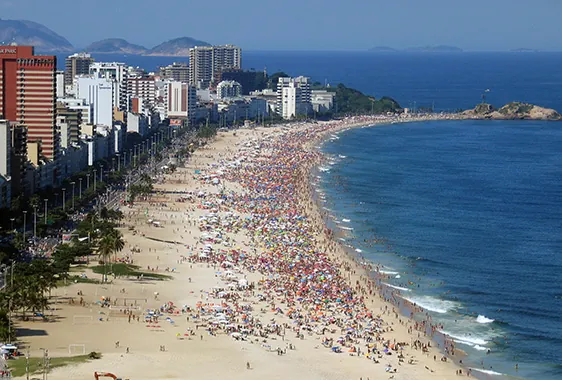
    Ipanema Beach is Rio de Janeiro's stylish beach, made famous by the song 'The Girl from Ipanema'. Ipanema Beach is divided into sections, each with its own crowd, and at sunset locals gather at Arpoador rock to applaud the sun going down behind Morro Dois Irmãos.

    Best: Sunset · Allow Half day

  6. Photo: Donatas Dabravolskas / CC BY-SA 4.0, via Wikimedia Commons

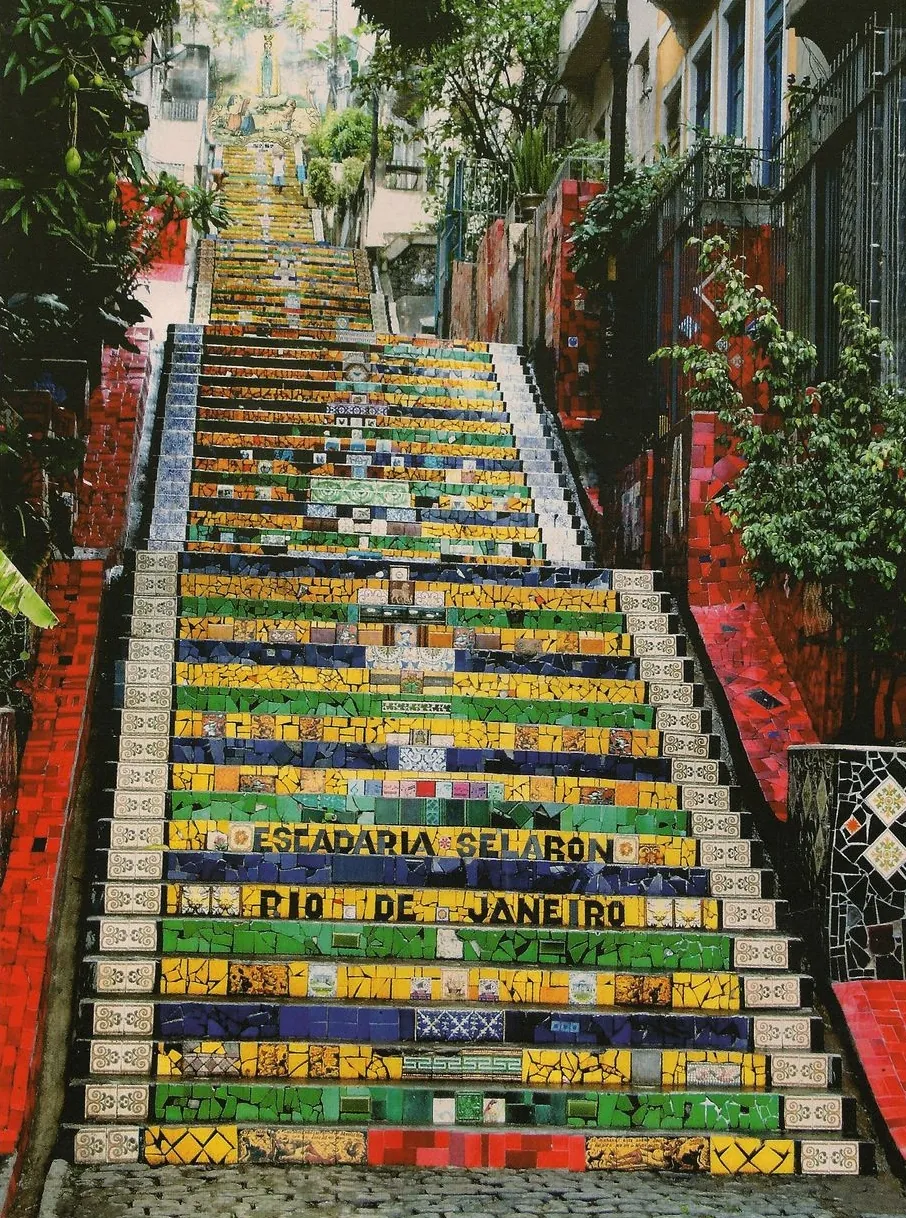
    Escadaria Selarón

    Rio de Janeiro · Mosaic Staircase

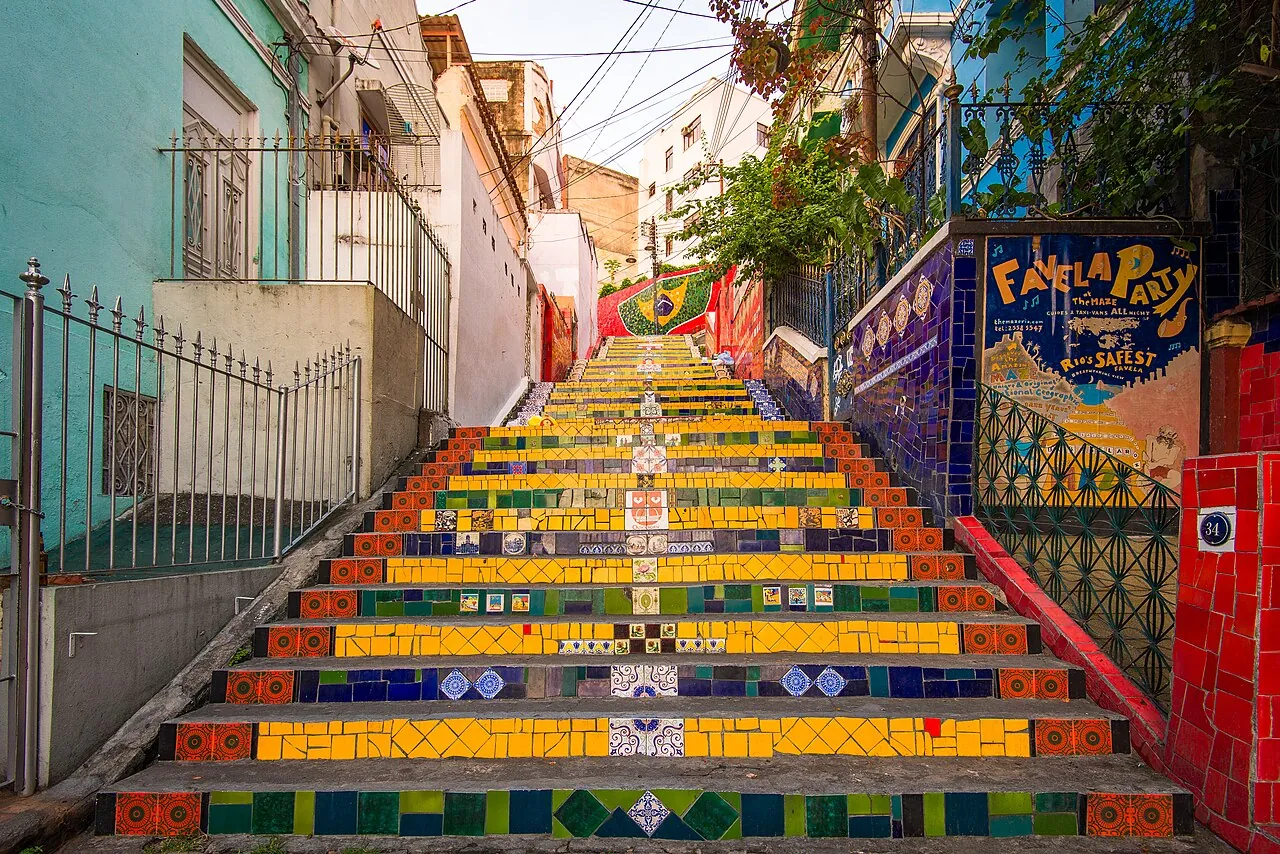
    Escadaria Selarón is a colourful staircase in Rio de Janeiro covered with more than 2,000 tiles from around the world. Created by Chilean artist Jorge Selarón, Escadaria Selarón connects the Lapa and Santa Teresa neighbourhoods. Visit in the morning for fewer crowds.

    Best: Morning · Allow 1 hour

  7. Photo: Julius Dadalti / CC BY-SA 4.0, via Wikimedia Commons

    Lençóis Maranhenses

    Maranhão · Dunes & Lagoons

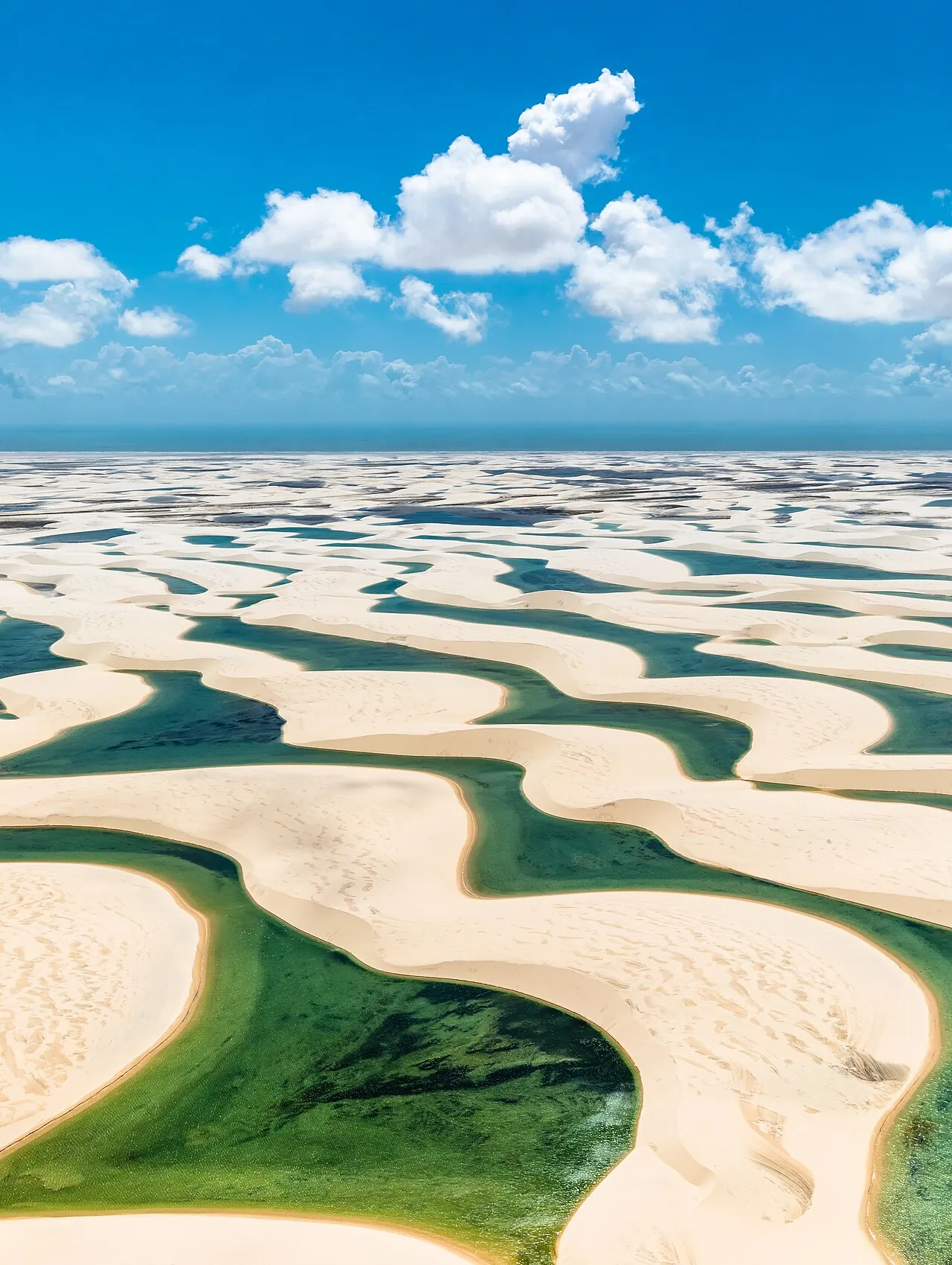
    Lençóis Maranhenses National Park in Maranhão is a surreal landscape of white sand dunes filled with blue and green rainwater lagoons. Lençóis Maranhenses is best visited between June and September, when the lagoons are full. Tours from Barreirinhas explore the dunes by 4x4.

    Best: June to September · Allow 2-3 days

  8. Amazon (Meeting of the Waters, Manaus)

    Amazonas · River Confluence, Rainforest

    The Amazon near Manaus is the gateway to the world's largest rainforest. The Meeting of the Waters, where the dark Rio Negro and sandy Solimões flow side by side without mixing, is one of the Amazon's most famous sights. Jungle lodges offer wildlife tours and canoe trips.

    Best: June to November · Allow 3-5 days

  9. Photo: Fernandoantoniofotos / CC BY-SA 4.0, via Wikimedia Commons

    Fernando de Noronha

    Pernambuco · Island Archipelago

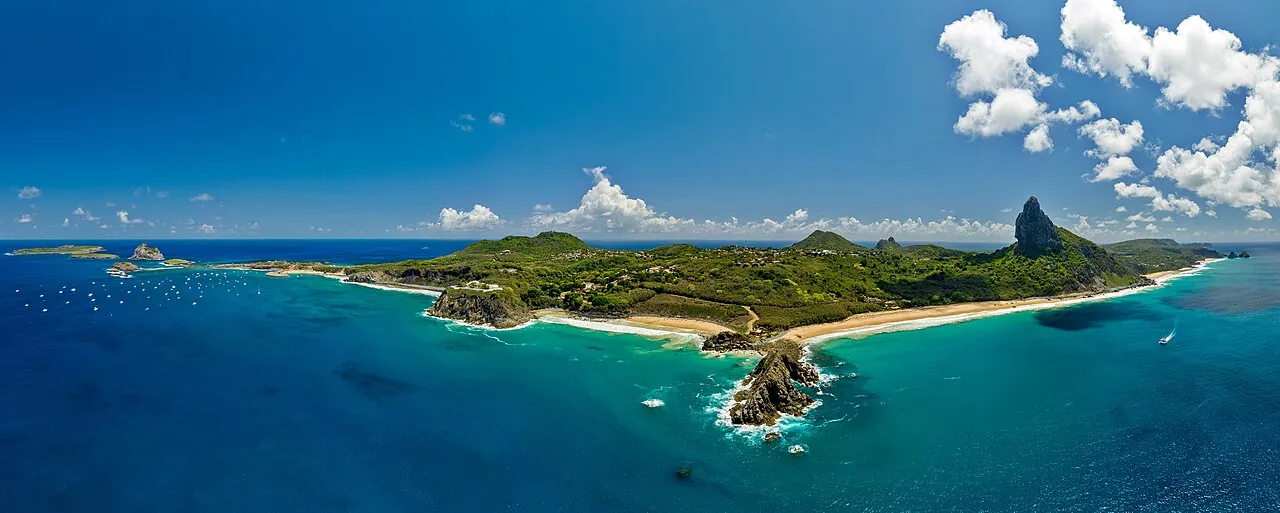
    Fernando de Noronha is a volcanic archipelago off Brazil's northeast coast, home to some of the country's most beautiful beaches. Fernando de Noronha is a protected marine park with excellent diving, dolphins and turtles. Visitor numbers are limited, and an environmental fee applies.

    Best: August to December · Allow 4-5 days

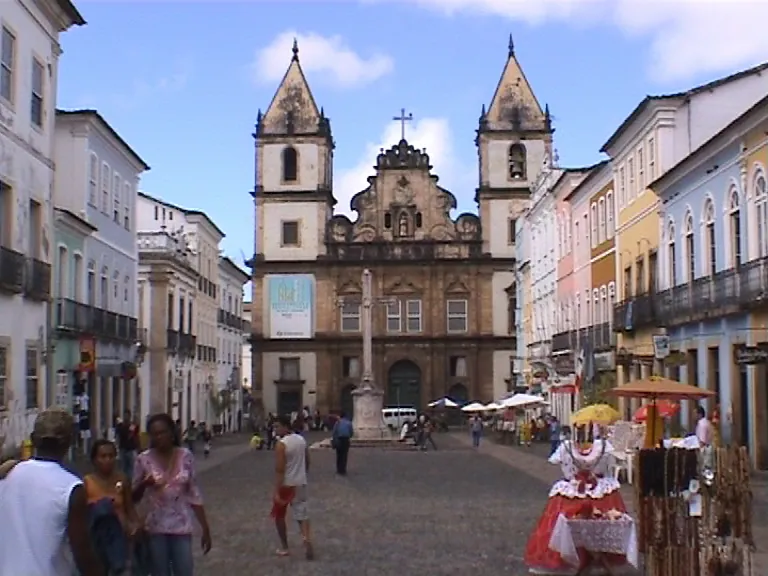
  10. Photo: Miquel Girones / Public domain, via Wikimedia Commons

    Pelourinho

    Salvador, Bahia · UNESCO World Heritage Site, Colonial Centre

    Pelourinho is the historic centre of Salvador, Bahia, and a UNESCO World Heritage Site. Pelourinho's colourful colonial buildings, baroque churches and cobbled streets are alive with Afro-Brazilian music, capoeira and culture. It is the soul of Salvador.

    Best: Year-round · Allow 1-2 days

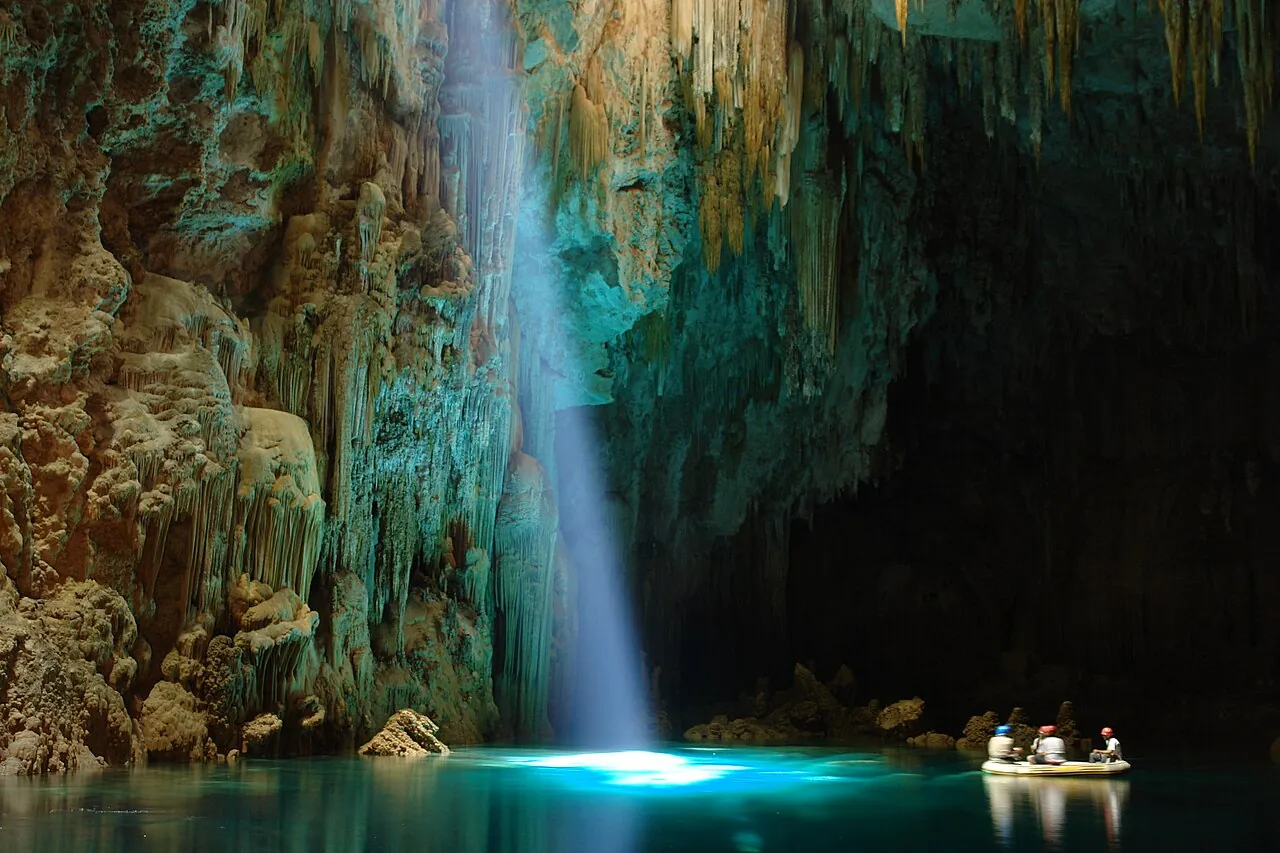
  11. Photo: Caio Vilela / CC BY-SA 3.0, via Wikimedia Commons

    Bonito

    Mato Grosso do Sul · Crystal Rivers

    Bonito in Mato Grosso do Sul is famous for its crystal-clear rivers, where visitors snorkel alongside colourful fish. Bonito also offers caves, waterfalls and the Abismo Anhumas sinkhole. Tours are regulated to protect the environment, so book in advance.

    Best: Year-round · Allow 3-4 days

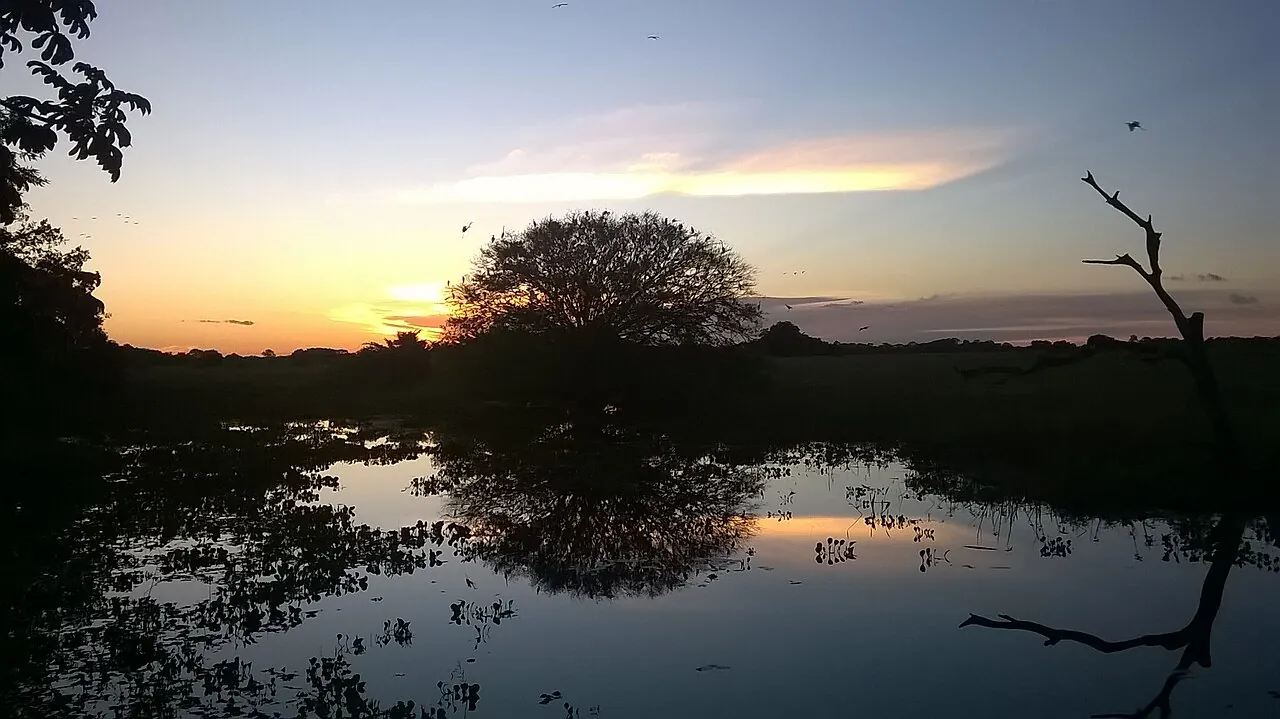
  12. Photo: Andre Moreira Nascimento / CC BY-SA 4.0, via Wikimedia Commons

    Pantanal (Transpantaneira)

    Mato Grosso · Wetland, Wildlife

    The Pantanal is the world's largest tropical wetland, and the Transpantaneira road in Mato Grosso is the best way to explore it. The Pantanal (Transpantaneira) is one of the best places in the world to see wild jaguars, along with capybaras, caimans and hyacinth macaws. Visit between July and October.

    Best: July to October · Allow 3-4 days

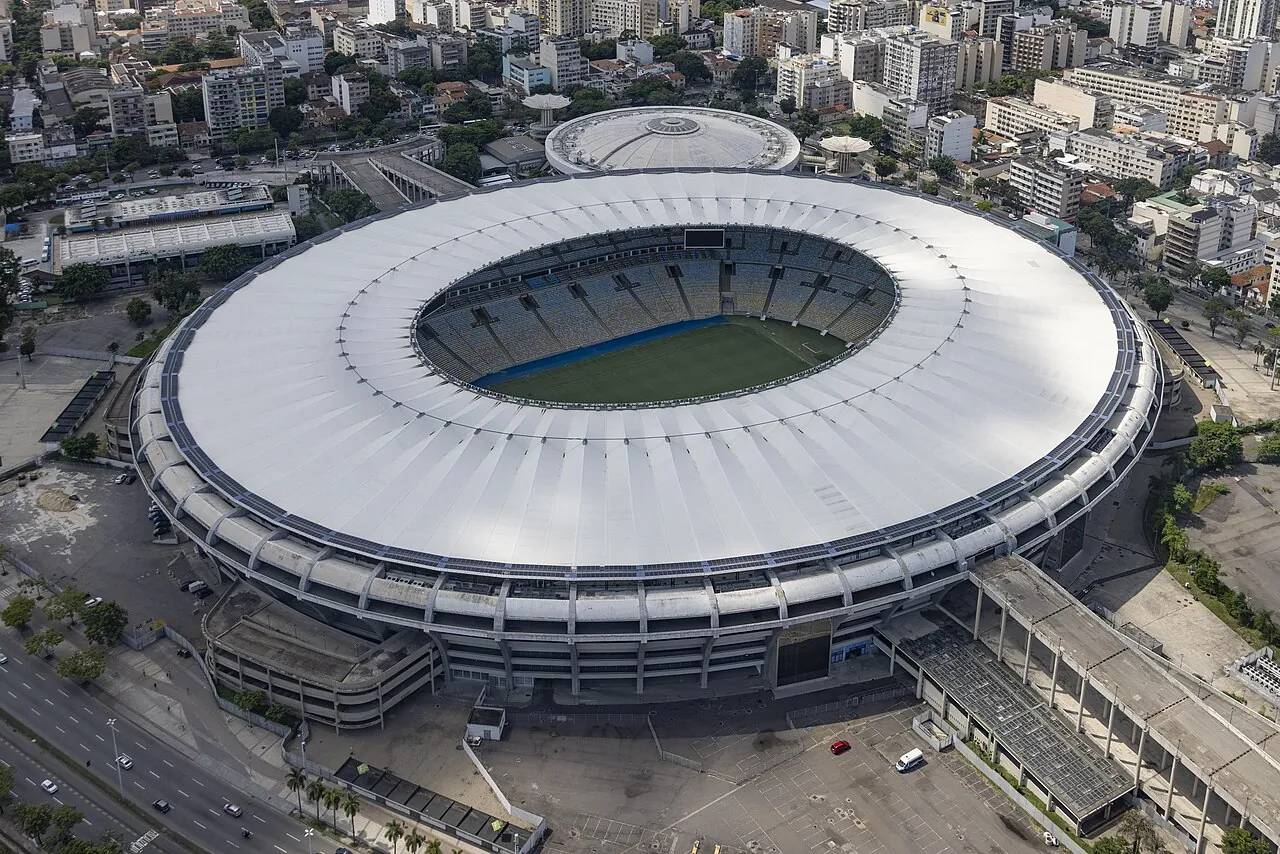
  13. Photo: Arne Müseler / CC BY-SA 3.0 de, via Wikimedia Commons

    Maracanã Stadium

    Rio de Janeiro · Football Stadium

    The Maracanã Stadium in Rio de Janeiro is one of the most famous football stadiums in the world. The Maracanã Stadium hosted two FIFA World Cup finals and the opening ceremony of the 2016 Olympics. Watch a match or take a stadium tour.

    Best: Match days · Allow 2 hours

  14. Photo: Lampiao3 / Public domain, via Wikimedia Commons

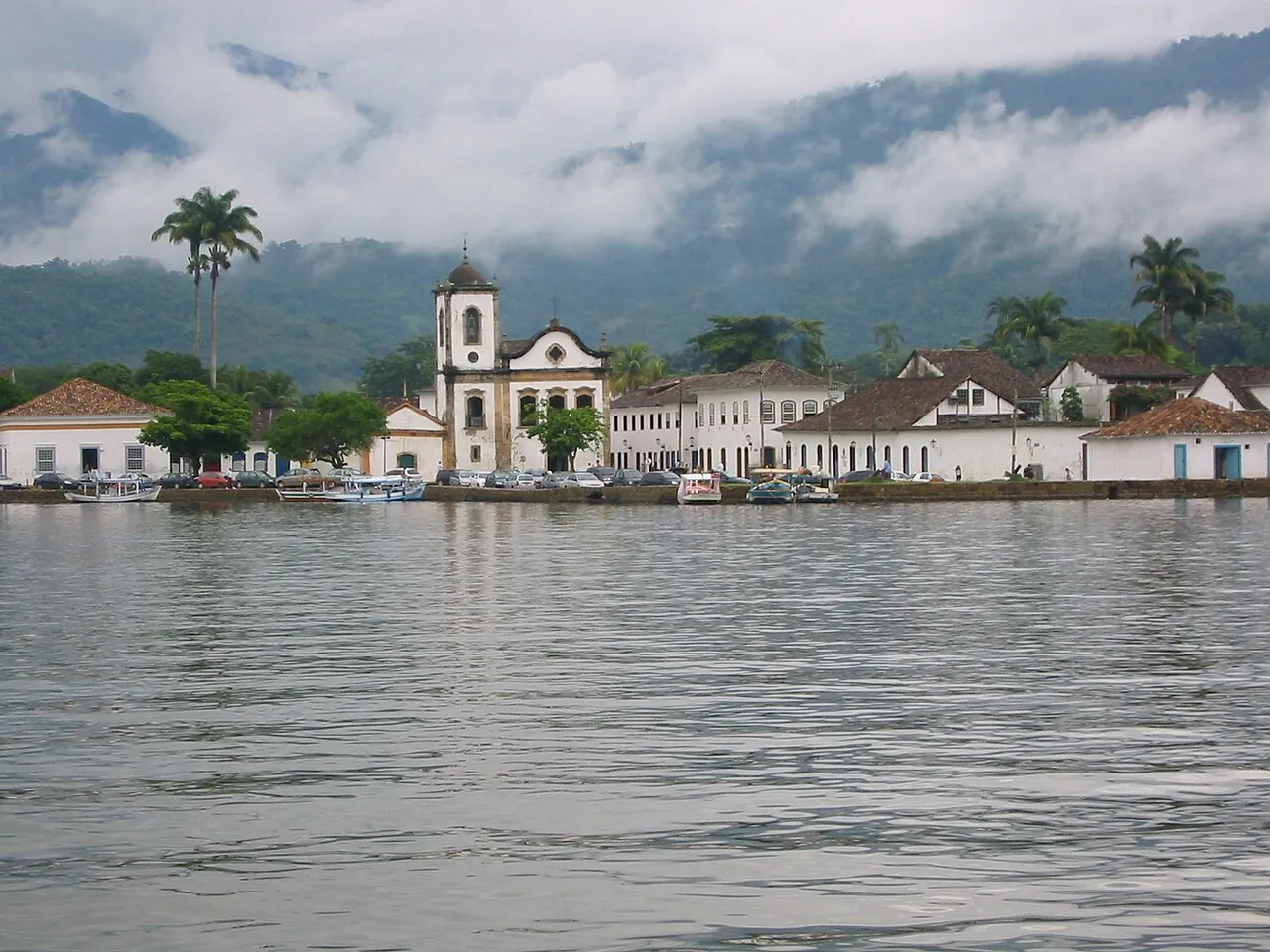
    Paraty

    Rio de Janeiro State · Colonial Town

    Paraty is a beautifully preserved colonial town on the coast of Rio de Janeiro State, with cobbled streets and whitewashed buildings. From Paraty, boat trips explore nearby islands and beaches, while waterfalls and cachaça distilleries dot the hills behind.

    Best: Year-round · Allow 2 days

  15. Photo: Fulviusbsas / Public domain, via Wikimedia Commons

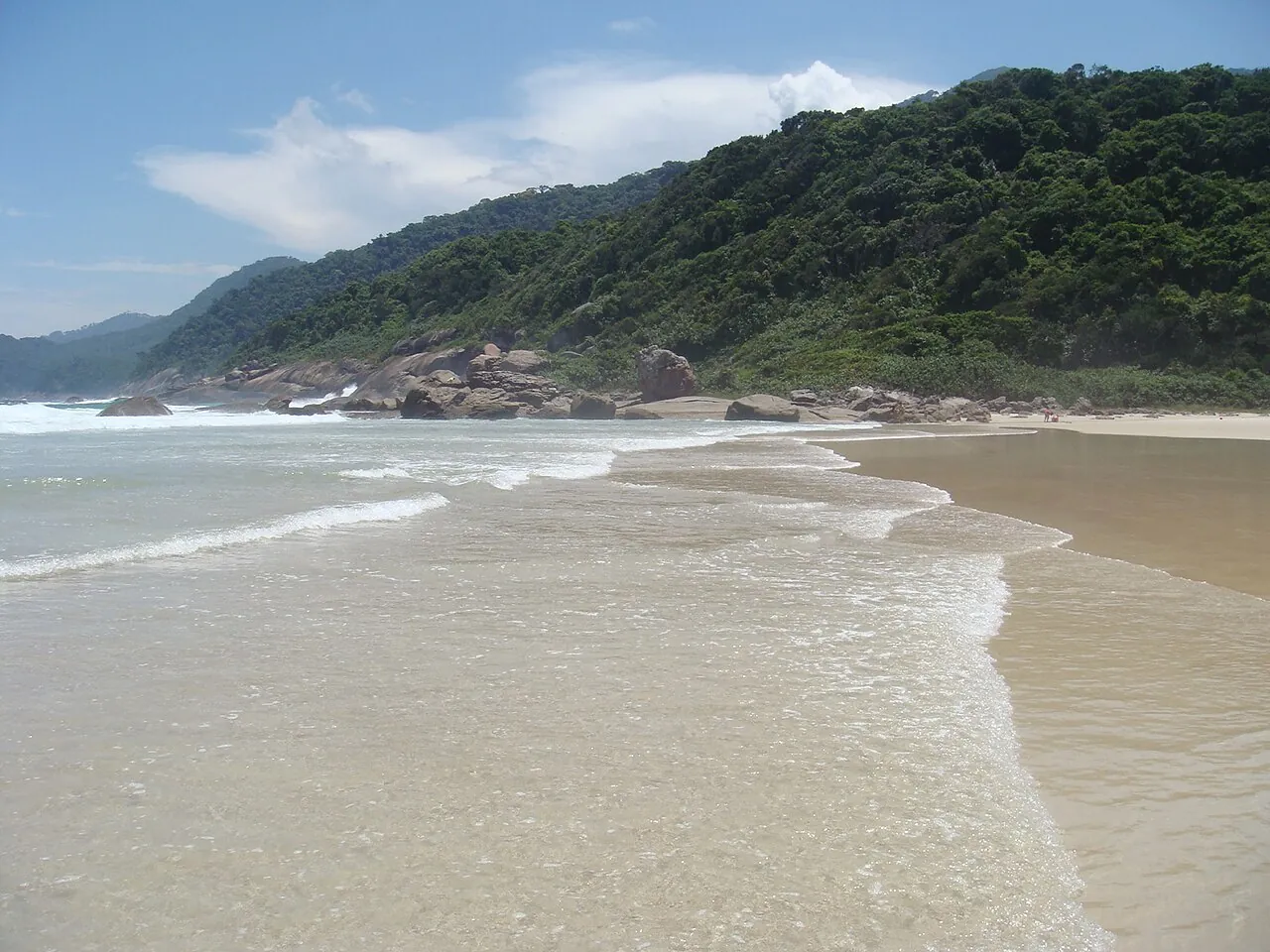
    Ilha Grande

    Rio de Janeiro State · Car-free Island

    Ilha Grande is a car-free island off the coast of Rio de Janeiro State, covered in Atlantic rainforest. Hiking trails on Ilha Grande lead to beautiful beaches such as Lopes Mendes. It is a relaxing escape from the city.

    Best: Year-round · Allow 2-3 days

  16. Photo: Jeilsonandrade / CC BY-SA 3.0, via Wikimedia Commons

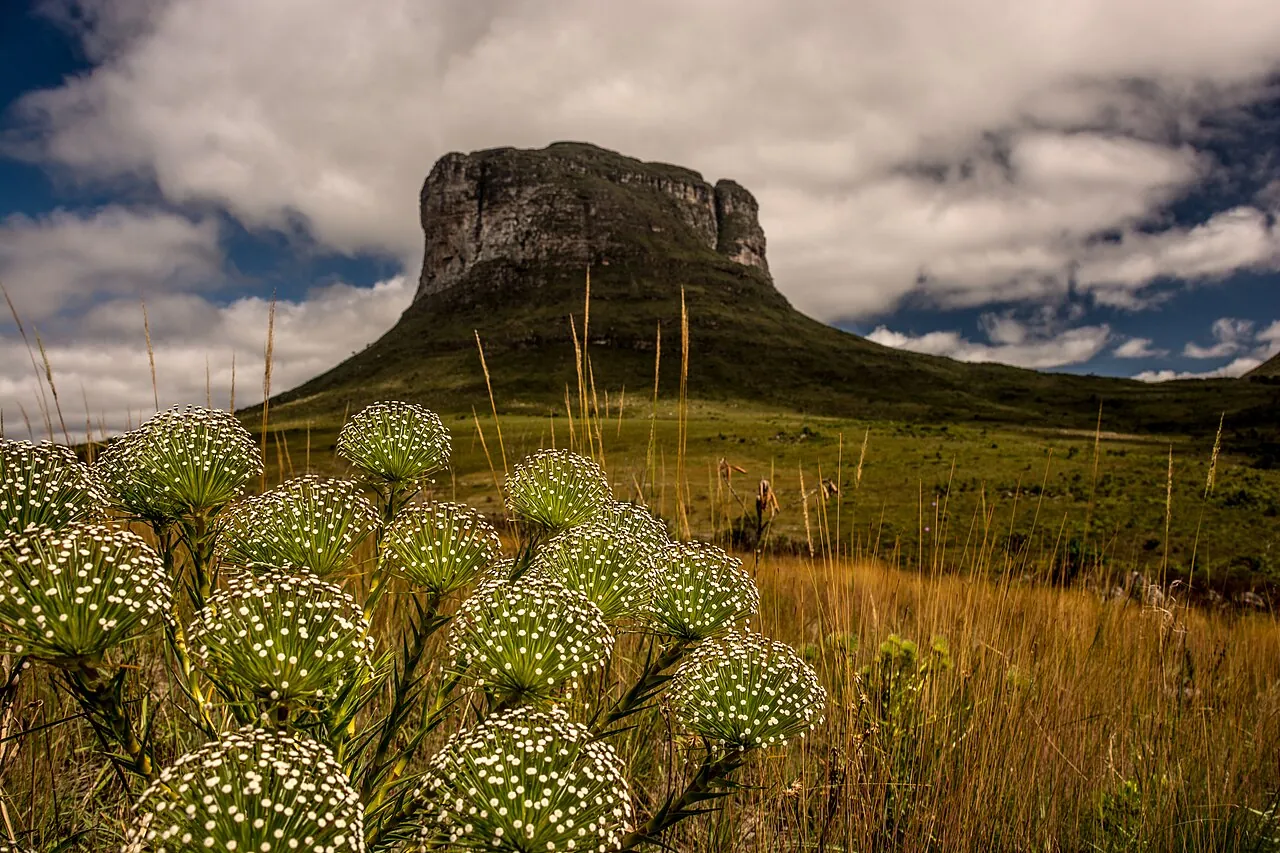
    Chapada Diamantina

    Bahia · National Park

    Chapada Diamantina National Park in Bahia is a spectacular region of table mountains, waterfalls, caves and natural pools. Hikes in Chapada Diamantina include Morro do Pai Inácio and the Fumaça Waterfall. Lençóis is the main base for exploring.

    Best: April to October · Allow 3-4 days

  17. Photo: Halley Pacheco de Oliveira / CC BY-SA 3.0, via Wikimedia Commons

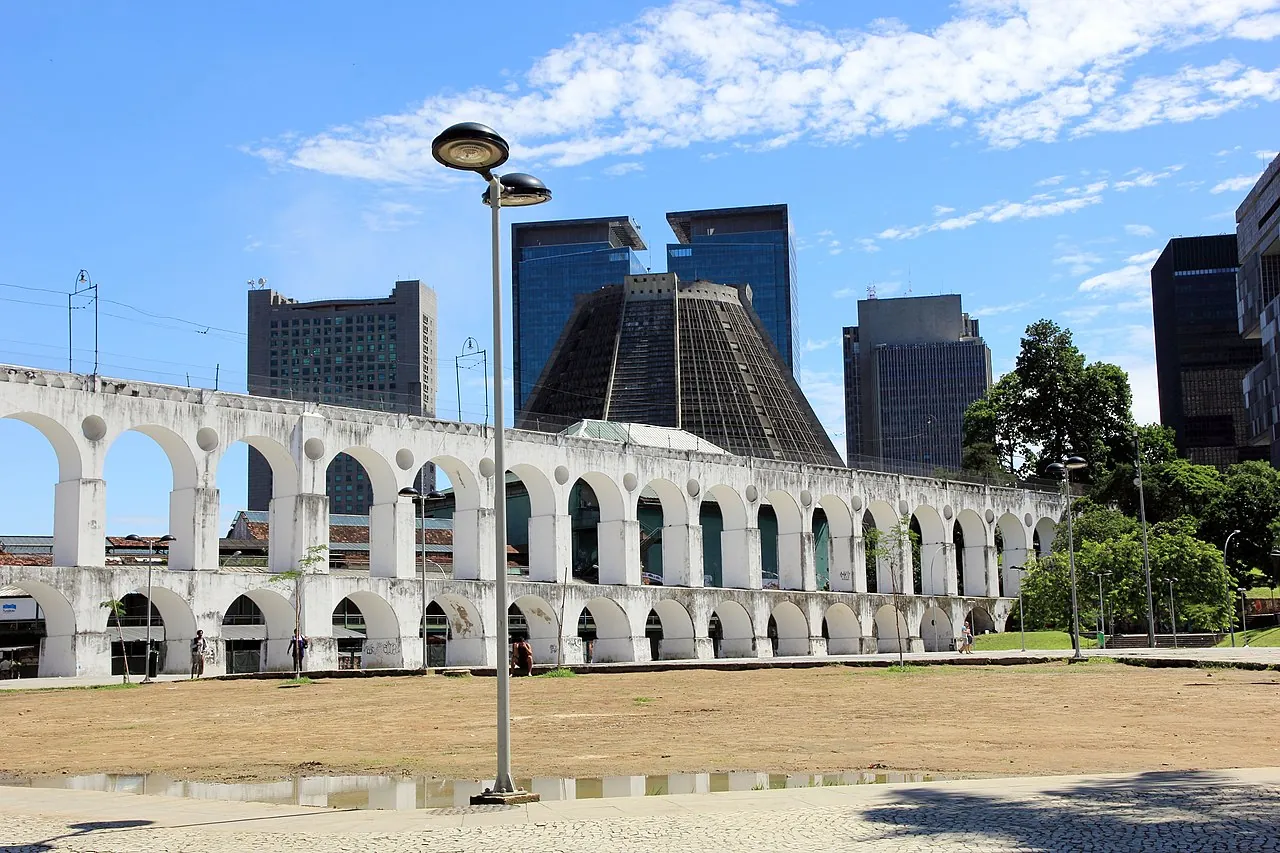
    Lapa Arches

    Rio de Janeiro · Nightlife, Aqueduct

    The Lapa Arches are a colonial aqueduct in Rio de Janeiro that now carries the Santa Teresa tram. The area around the Lapa Arches is the heart of Rio's nightlife, with samba clubs and street parties, especially on Friday nights.

    Best: Friday night · Allow Evening

  18. Photo: Donmatas / CC BY-SA 4.0, via Wikimedia Commons

    Santa Teresa

    Rio de Janeiro · Bohemian Neighbourhood

    Santa Teresa is a bohemian hilltop neighbourhood in Rio de Janeiro, known for its winding streets, colonial mansions and artists' studios. Ride the historic yellow tram to Santa Teresa and explore its galleries, bars and restaurants.

    Best: Year-round · Allow Half day

  19. Photo: Halley Pacheco de Oliveira / CC BY-SA 3.0, via Wikimedia Commons

    Tijuca Forest

    Rio de Janeiro · Urban Rainforest

    Tijuca Forest in Rio de Janeiro is one of the largest urban forests in the world, covering the mountains around the city. Hiking trails in Tijuca Forest lead to waterfalls and viewpoints, including Pico da Tijuca. It is home to monkeys and toucans.

    Best: Year-round · Allow Half day

  20. Photo: Mariordo Mario Roberto Duran Ortiz / CC BY-SA 3.0, via Wikimedia Commons

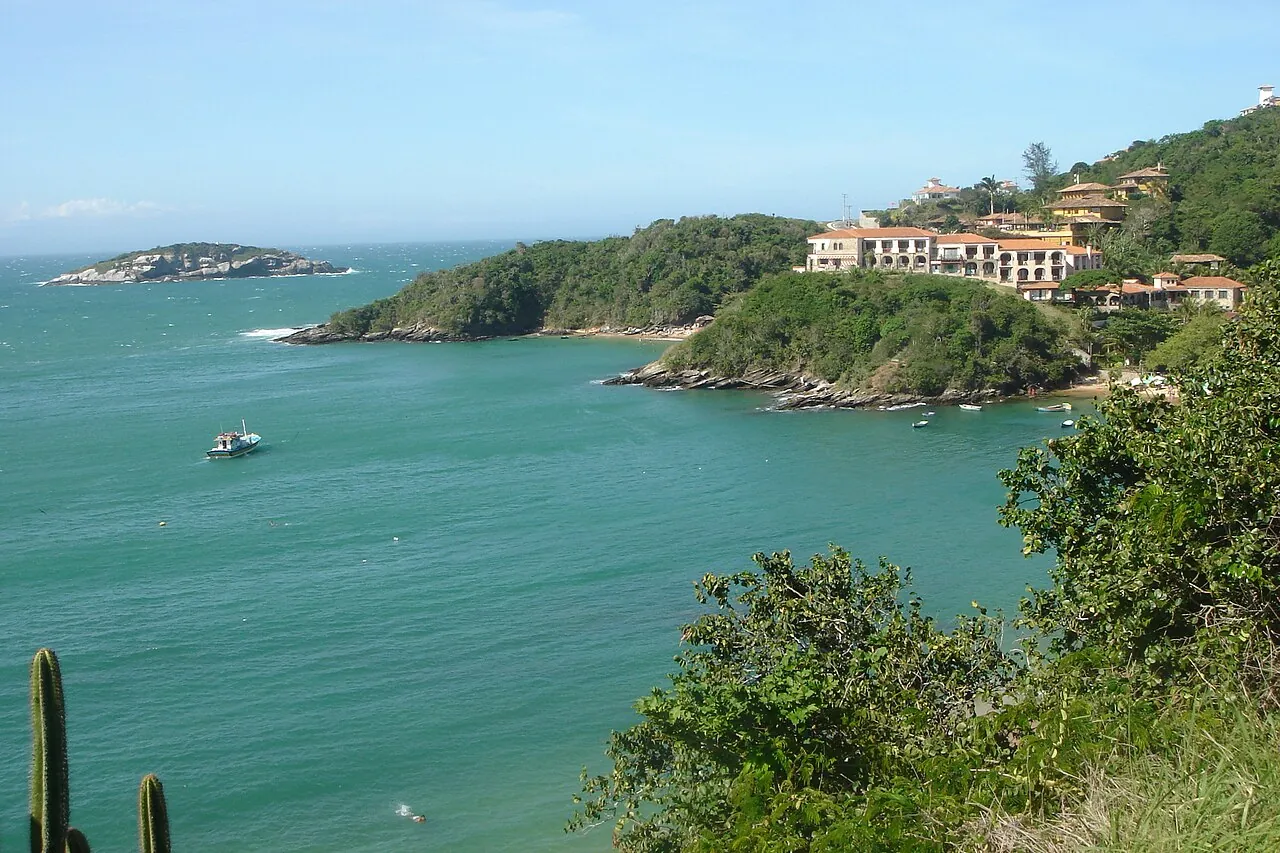
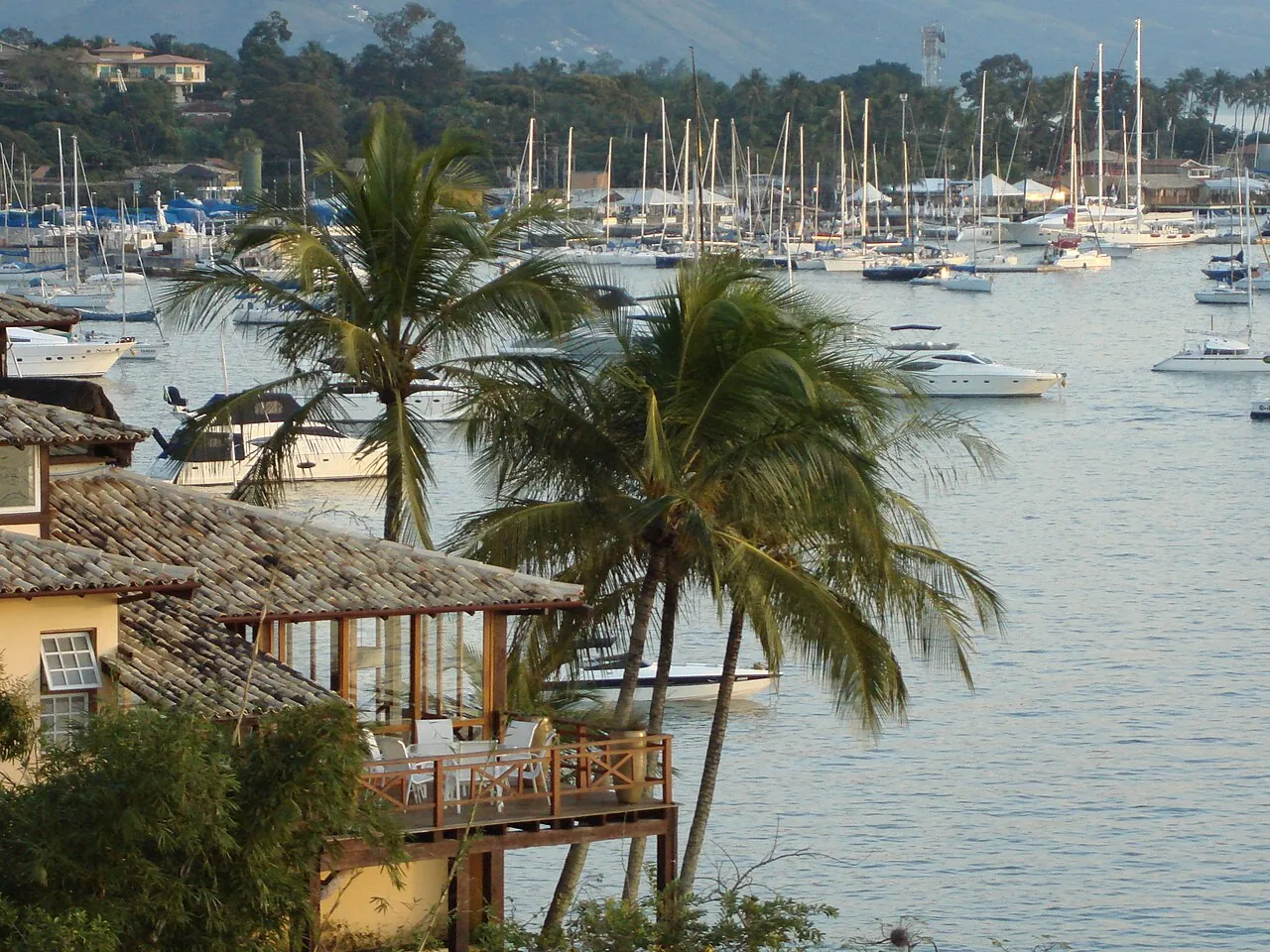
    Búzios

    Rio de Janeiro State · Beach Resort

    Búzios is a stylish beach resort on a peninsula in Rio de Janeiro State, with more than 20 beaches. Búzios was made famous by Brigitte Bardot in the 1960s, and its Rua das Pedras is lined with boutiques and restaurants. It is best visited from December to March.

    Best: December to March · Allow 2-3 days

  21. Photo: Herr stahlhoefer / Public domain, via Wikimedia Commons

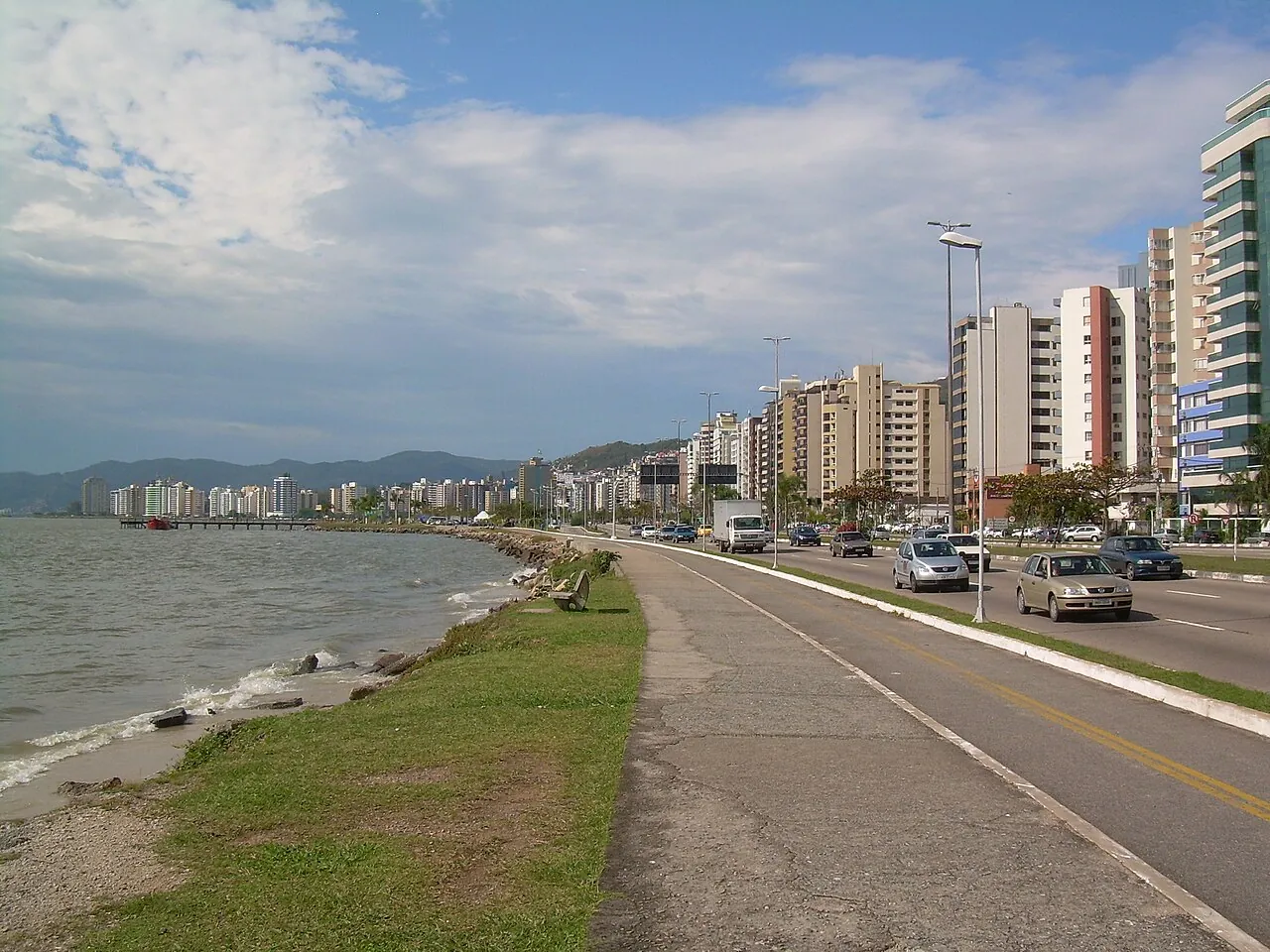
    Florianópolis (Lagoa da Conceição)

    Santa Catarina · Island City, Beaches

    Florianópolis is an island city in Santa Catarina known for its many beaches and relaxed lifestyle. Lagoa da Conceição in Florianópolis is a lagoon surrounded by dunes, restaurants and nightlife. Surfing, sandboarding and seafood are highlights.

    Best: December to March · Allow 3-4 days

  22. Photo: Rodrigo Tetsuo Argenton / CC BY-SA 4.0, via Wikimedia Commons

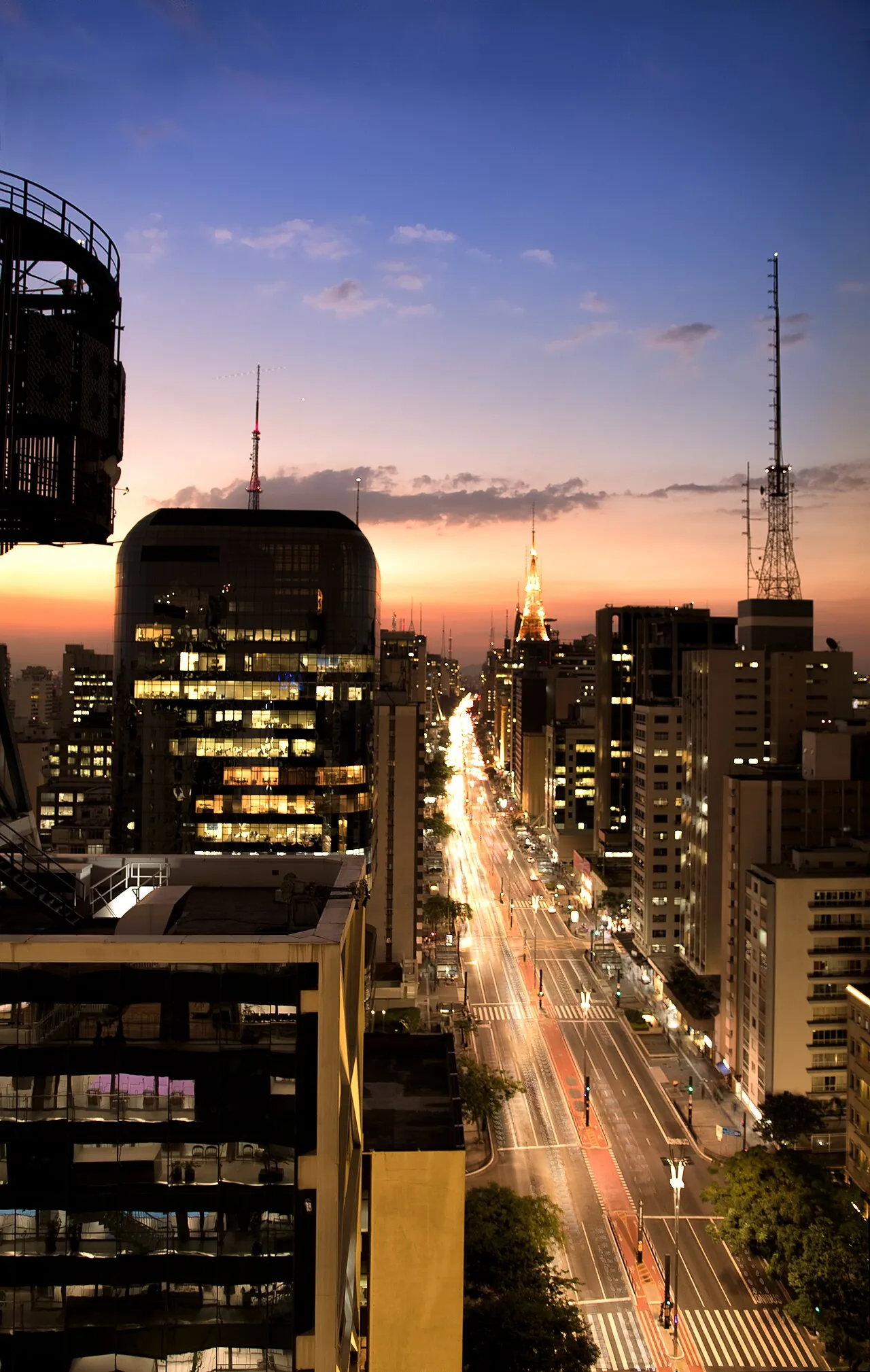
    Avenida Paulista

    São Paulo · Main Avenue

    Avenida Paulista is São Paulo's main avenue, lined with skyscrapers, cultural centres and the MASP art museum. On Sundays, Avenida Paulista is closed to cars and filled with street performers, cyclists and families. It is the best way to experience the city.

    Best: Sunday (car-free) · Allow Half day

  23. Photo: Fernando Stankuns / CC BY-SA 4.0, via Wikimedia Commons

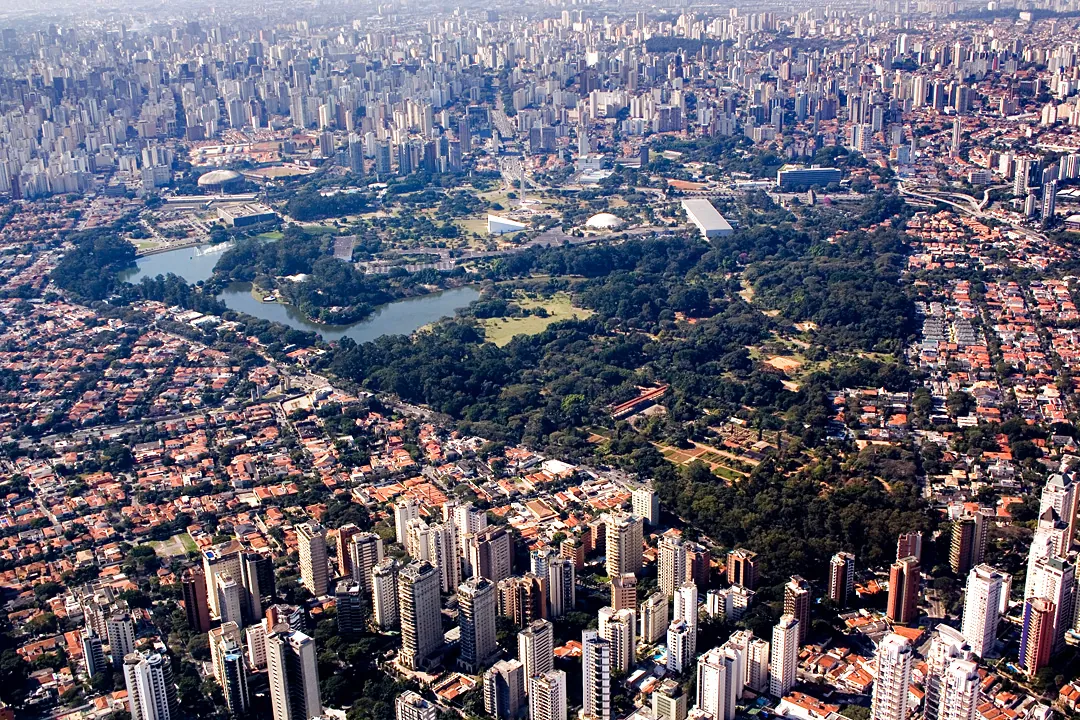
    Ibirapuera Park

    São Paulo · Urban Park

    Ibirapuera Park is São Paulo's equivalent of Central Park, a large green space with lakes and buildings designed by Oscar Niemeyer. Ibirapuera Park is home to museums including the Afro Brazil Museum and the Museum of Modern Art. It is ideal for walking and cycling.

    Best: Year-round · Allow Half day

  24. Photo: Diego Bravo (Somente Coisas Legais) / CC BY-SA 4.0, via Wikimedia Commons

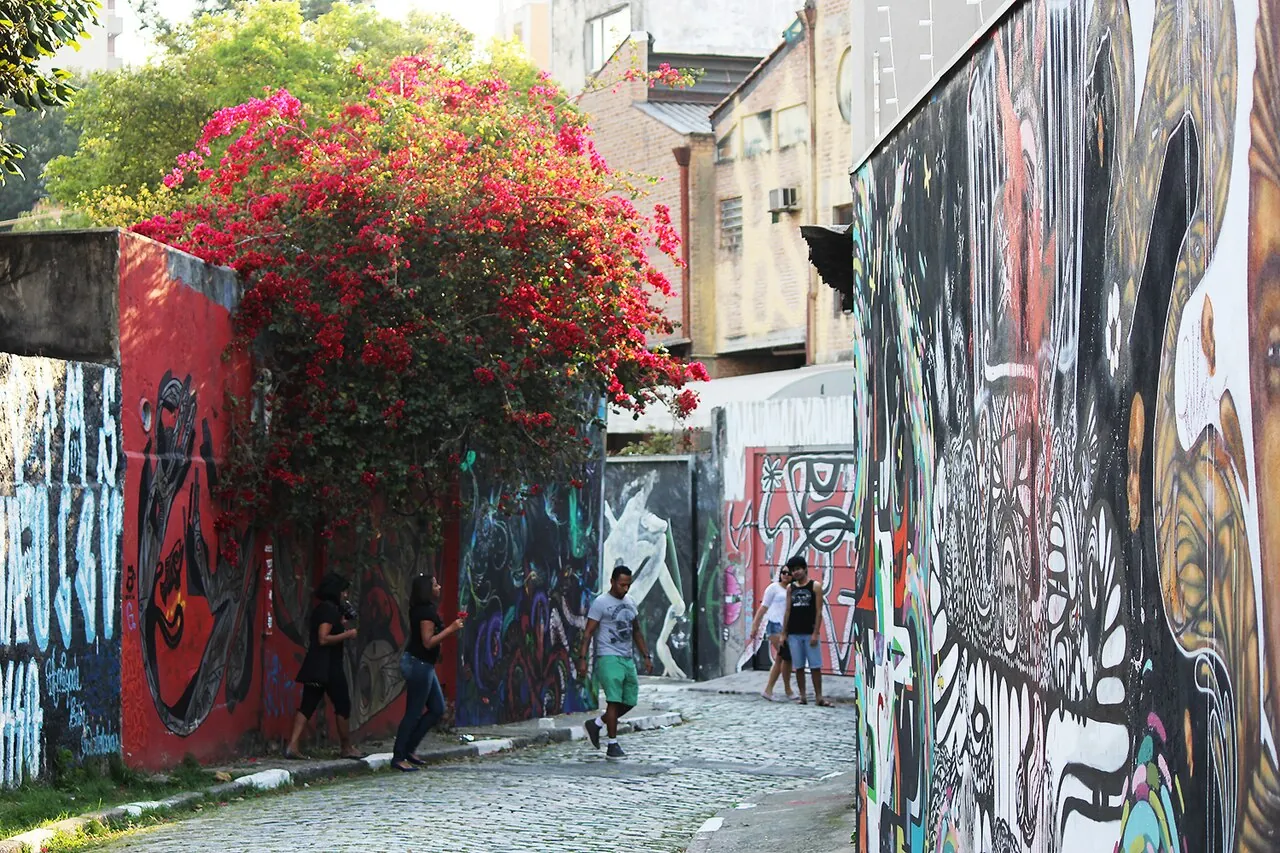
    Beco do Batman

    São Paulo · Street Art Alley

    Beco do Batman is a graffiti-covered alley in São Paulo's Vila Madalena neighbourhood. The colourful murals of Beco do Batman change regularly, making it a favourite photo spot. Nearby bars and cafés make it a fun place to explore.

    Best: Year-round · Allow 1 hour

  25. Photo: Edilaine Fortunato / CC BY-SA 4.0, via Wikimedia Commons

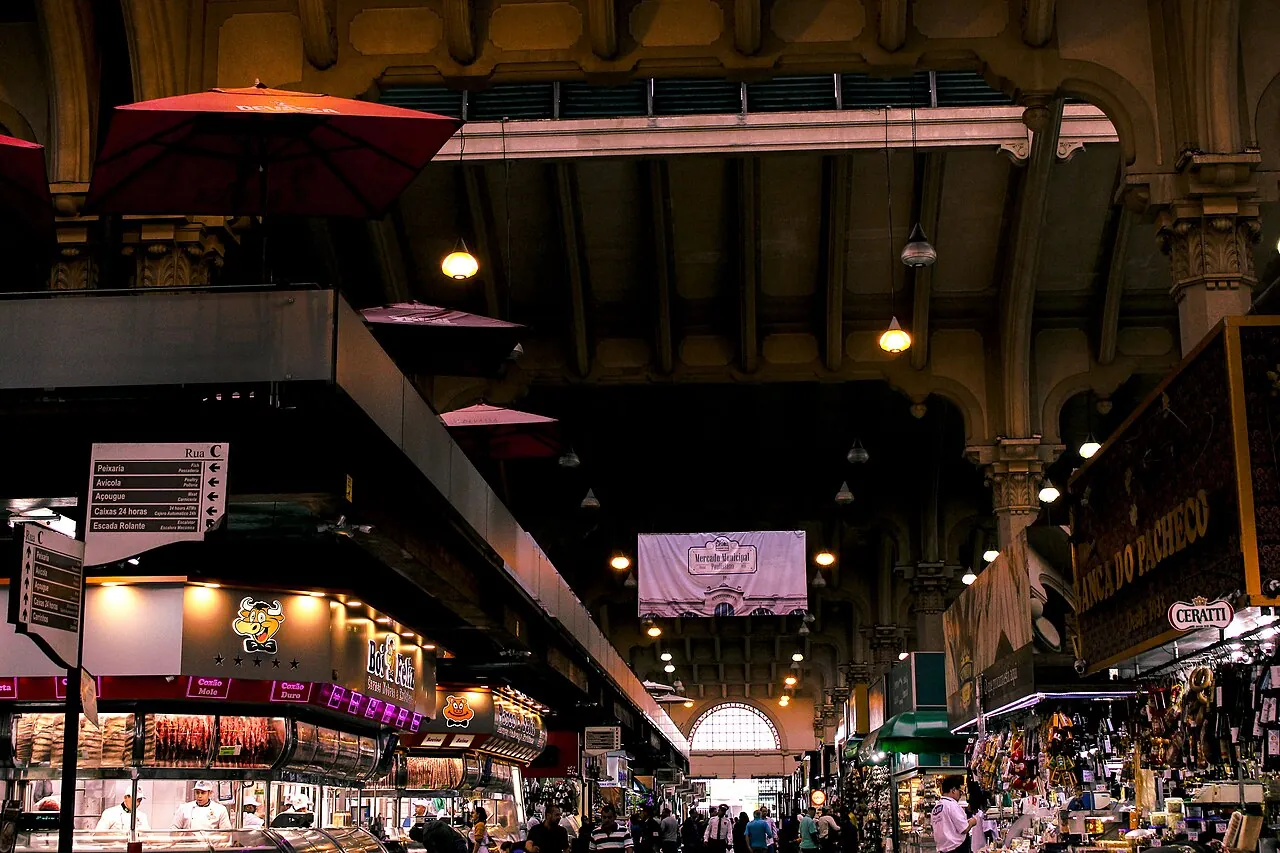
    Mercado Municipal

    São Paulo · Food Market

    The Mercado Municipal in São Paulo is a historic food market famous for its stained-glass windows and giant mortadella sandwiches. Stalls at the Mercado Municipal sell tropical fruits, cheeses and spices. It is perfect for lunch.

    Best: Lunch · Allow 1.5 hours

  26. Photo: Arturdiasr / CC BY-SA 4.0, via Wikimedia Commons

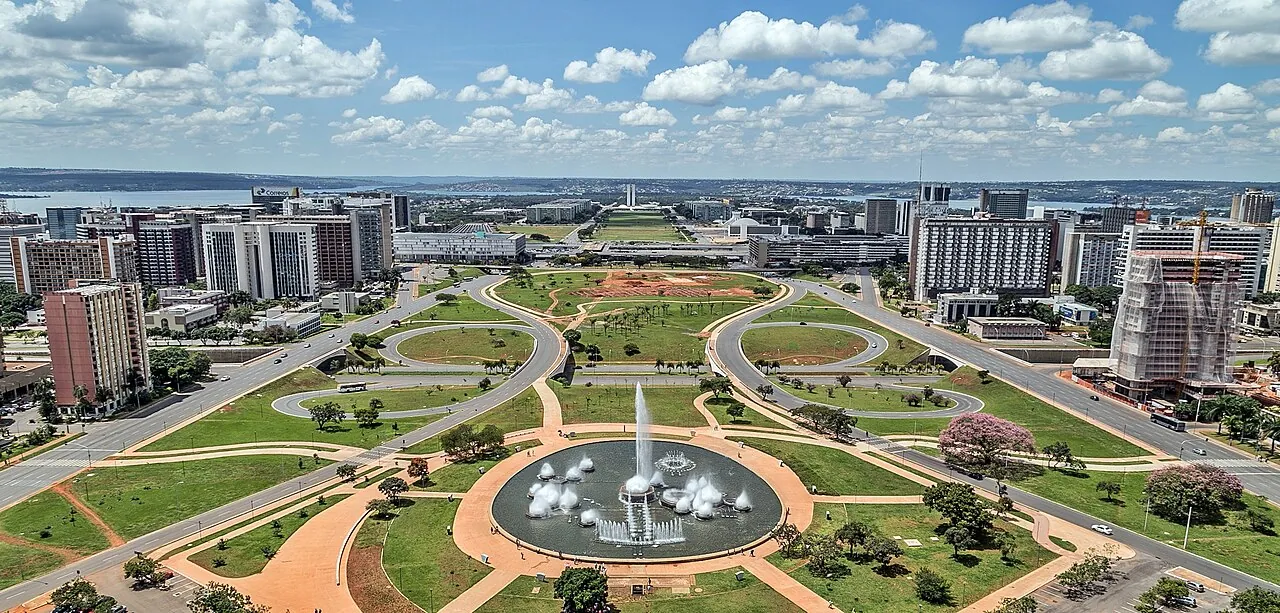
    Brasília

    Federal District · UNESCO World Heritage Site, Modernist Capital

    Brasília is Brazil's modernist capital and a UNESCO World Heritage Site, designed by Lúcio Costa and Oscar Niemeyer in the 1950s. Highlights of Brasília include the crown-shaped Cathedral and the National Congress. It is a must for architecture lovers.

    Best: May to September · Allow 1-2 days

  27. Photo: Raquel Mendes Silva / CC BY-SA 4.0, via Wikimedia Commons

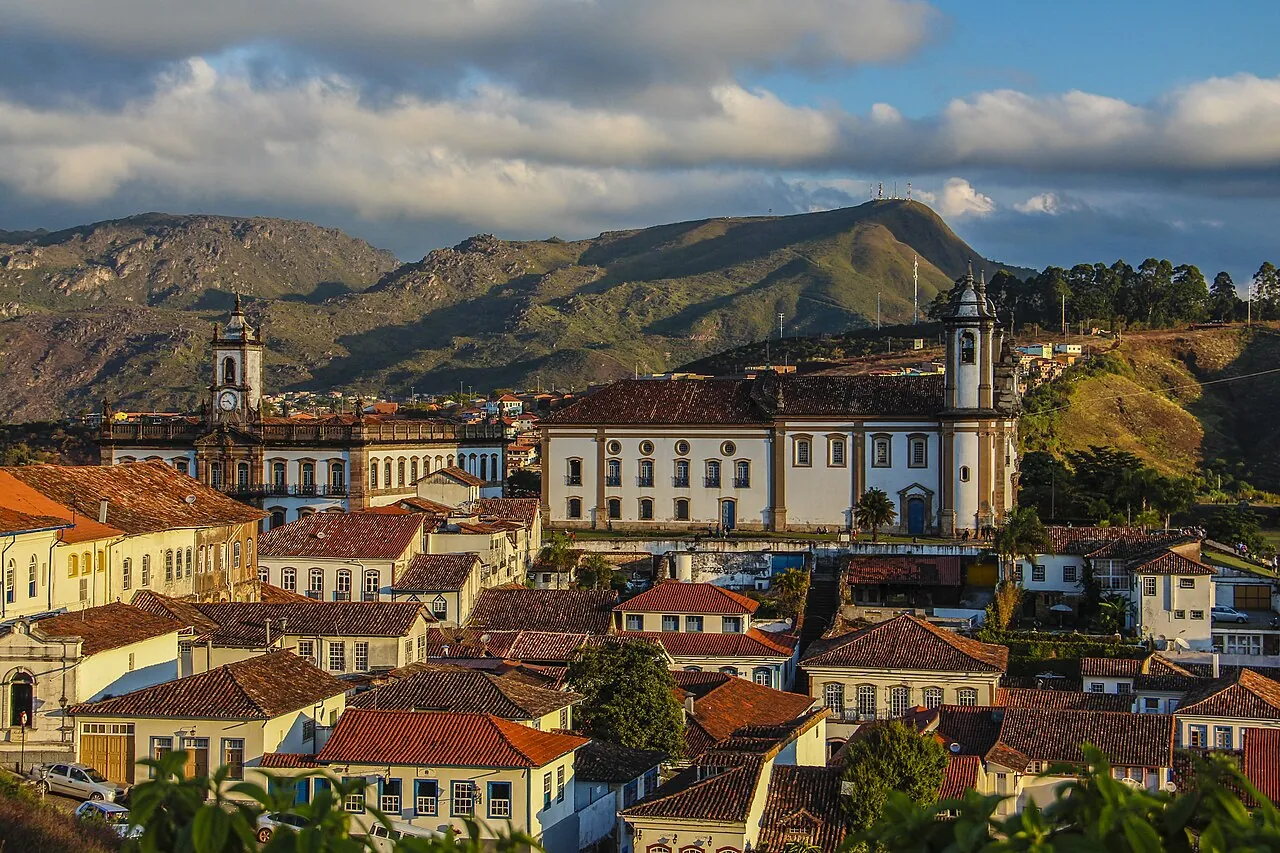
    Ouro Preto

    Minas Gerais · UNESCO World Heritage Site, Baroque Town

    Ouro Preto is a UNESCO World Heritage baroque town in Minas Gerais, built during the 18th-century gold rush. Ouro Preto's steep cobbled streets are lined with ornate churches, including works by the sculptor Aleijadinho. It is one of Brazil's most beautiful colonial towns.

    Best: Year-round · Allow 2 days

  28. Photo: Oswalney Costa Galvã… / CC BY-SA 3.0, via Wikimedia Commons

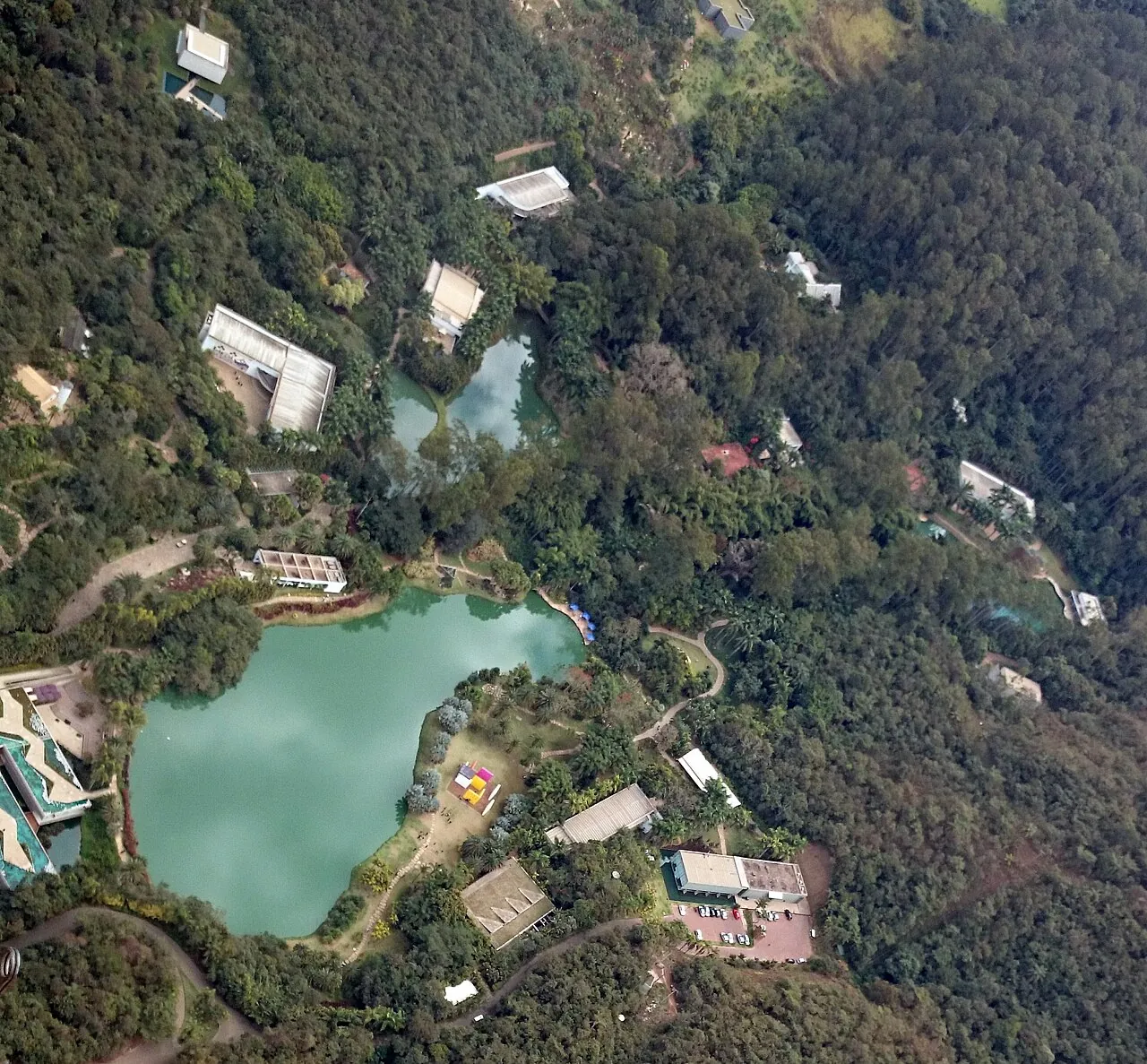
    Inhotim

    Minas Gerais · Open-air Art Museum

    Inhotim in Minas Gerais is one of the world's largest open-air contemporary art museums, set in a botanical garden. Inhotim displays works by international artists in pavilions among lakes and tropical plants. Plan at least a full day.

    Best: Year-round · Allow Full day

  29. Photo: Anderps / CC BY-SA 3.0, via Wikimedia Commons

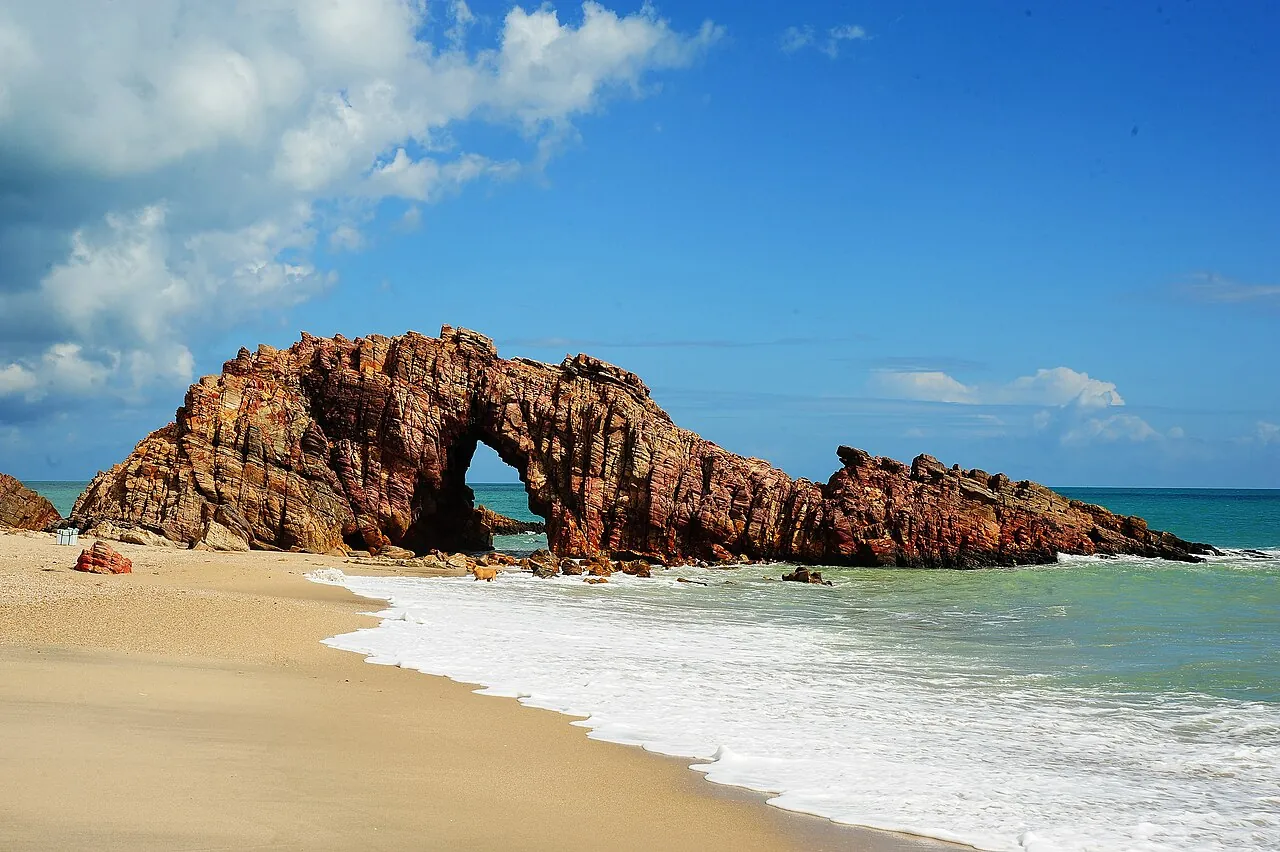
    Jericoacoara

    Ceará · Beach Village, Dunes

    Jericoacoara is a laid-back beach village in Ceará with sandy streets, giant dunes and lagoons. Jericoacoara is a world-class kitesurfing and windsurfing destination, and sunset on the dunes is a daily ritual. Visit between July and January.

    Best: July to January · Allow 3-4 days

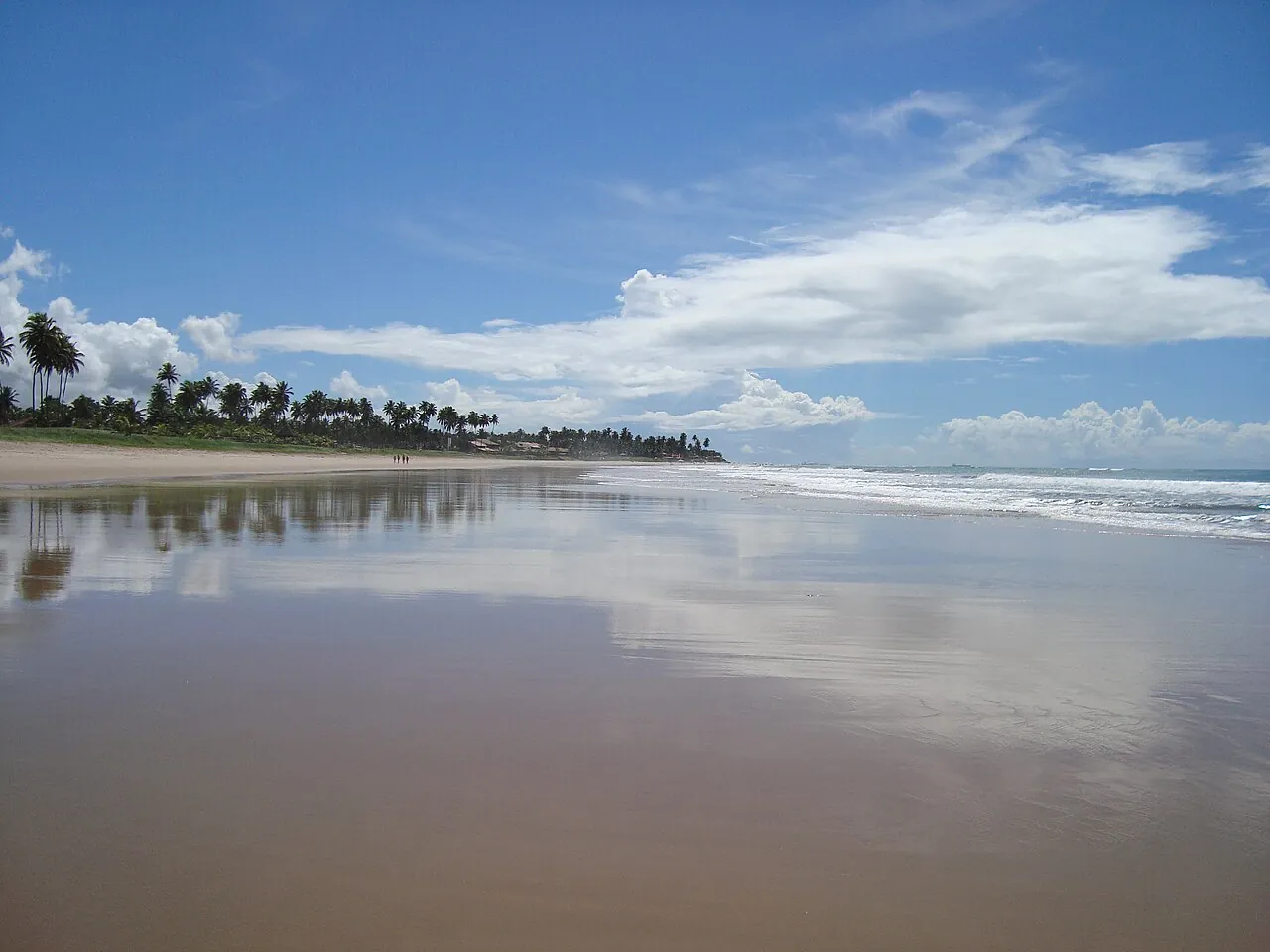
  30. Photo: Andrevruas / CC BY 3.0, via Wikimedia Commons

    Porto de Galinhas

    Pernambuco · Beach, Natural Pools

    Porto de Galinhas in Pernambuco is famous for its natural pools, formed by coral reefs at low tide. Visitors take rafts to the pools of Porto de Galinhas to swim among colourful fish. It is one of the most popular beaches in northeast Brazil.

    Best: September to March · Allow 2-3 days

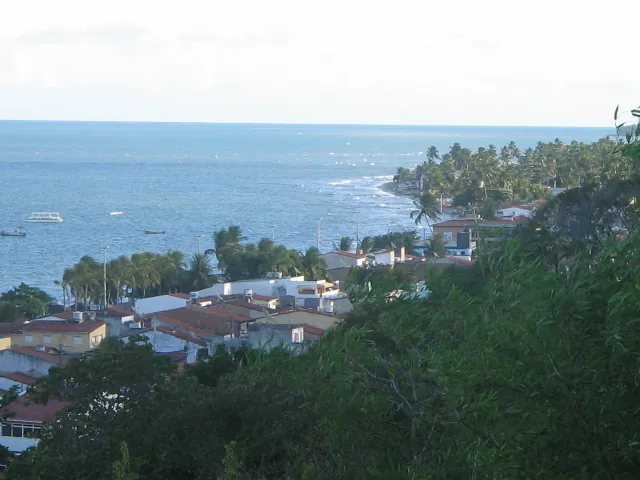
  31. Photo: Tiago Leite / CC BY 2.0, via Wikimedia Commons

    Maragogi

    Alagoas · Natural Pools

    Maragogi in Alagoas is known as the 'Brazilian Caribbean' for its turquoise natural pools, called galés, formed by coral reefs offshore. Boat trips from Maragogi visit the pools at low tide for snorkelling. It is best between September and March.

    Best: September to March · Allow 2 days

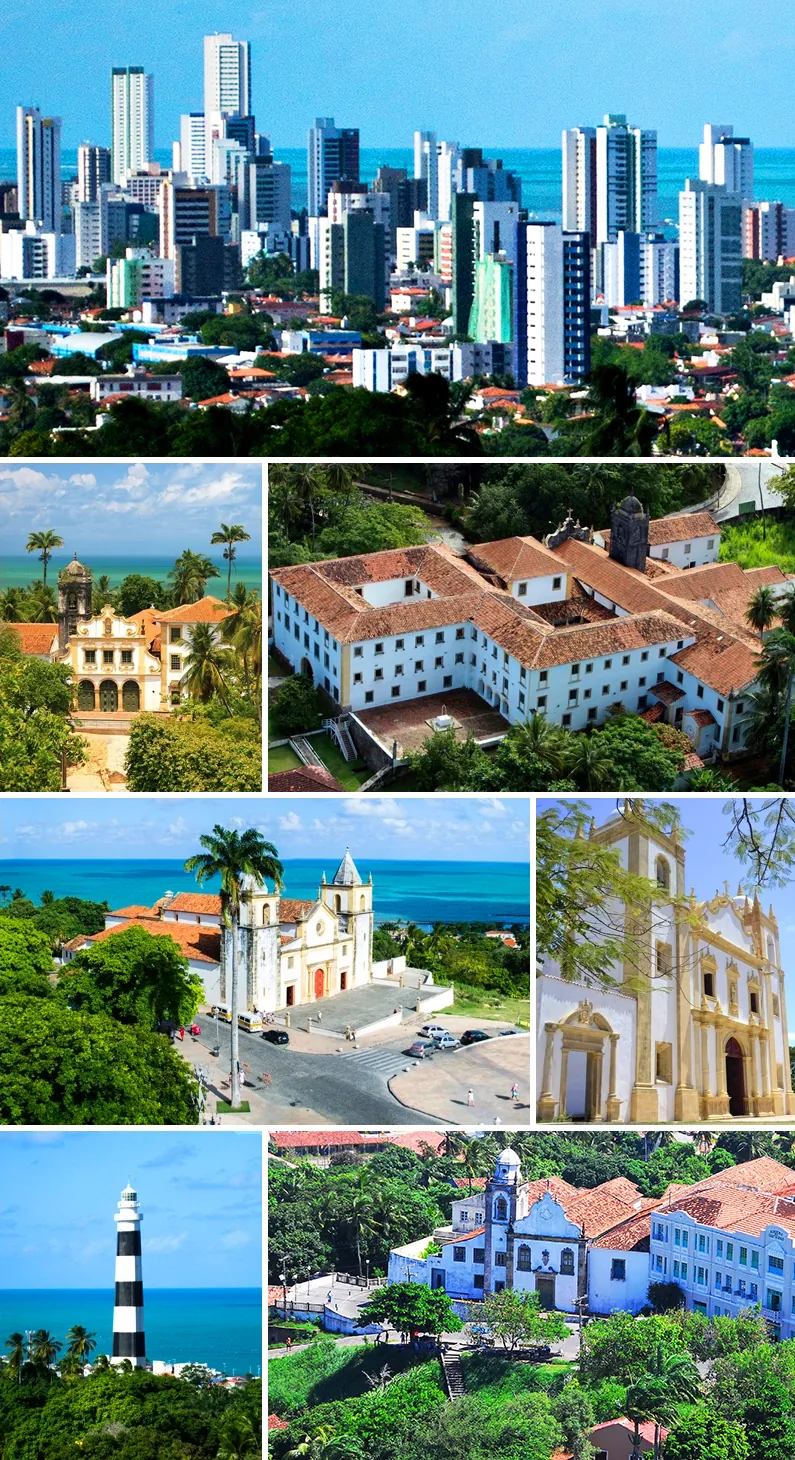
  32. Photo: Allice Hunter / CC BY-SA 4.0, via Wikimedia Commons

    Olinda

    Pernambuco · UNESCO World Heritage Site, Colonial Town

    Olinda is a UNESCO World Heritage colonial town in Pernambuco, perched on hills overlooking the sea. Olinda's colourful houses, baroque churches and art studios make it charming year-round, and its street Carnival in February is one of Brazil's most famous.

    Best: February (Carnival) · Allow 1 day

  33. Gramado

    Rio Grande do Sul · Mountain Town

    Gramado is a charming mountain town in Rio Grande do Sul with Bavarian-style architecture and chocolate shops. Gramado is famous for its Christmas festival, Natal Luz, and its winter atmosphere. Visit in winter or December.

    Best: June to August; December · Allow 2 days

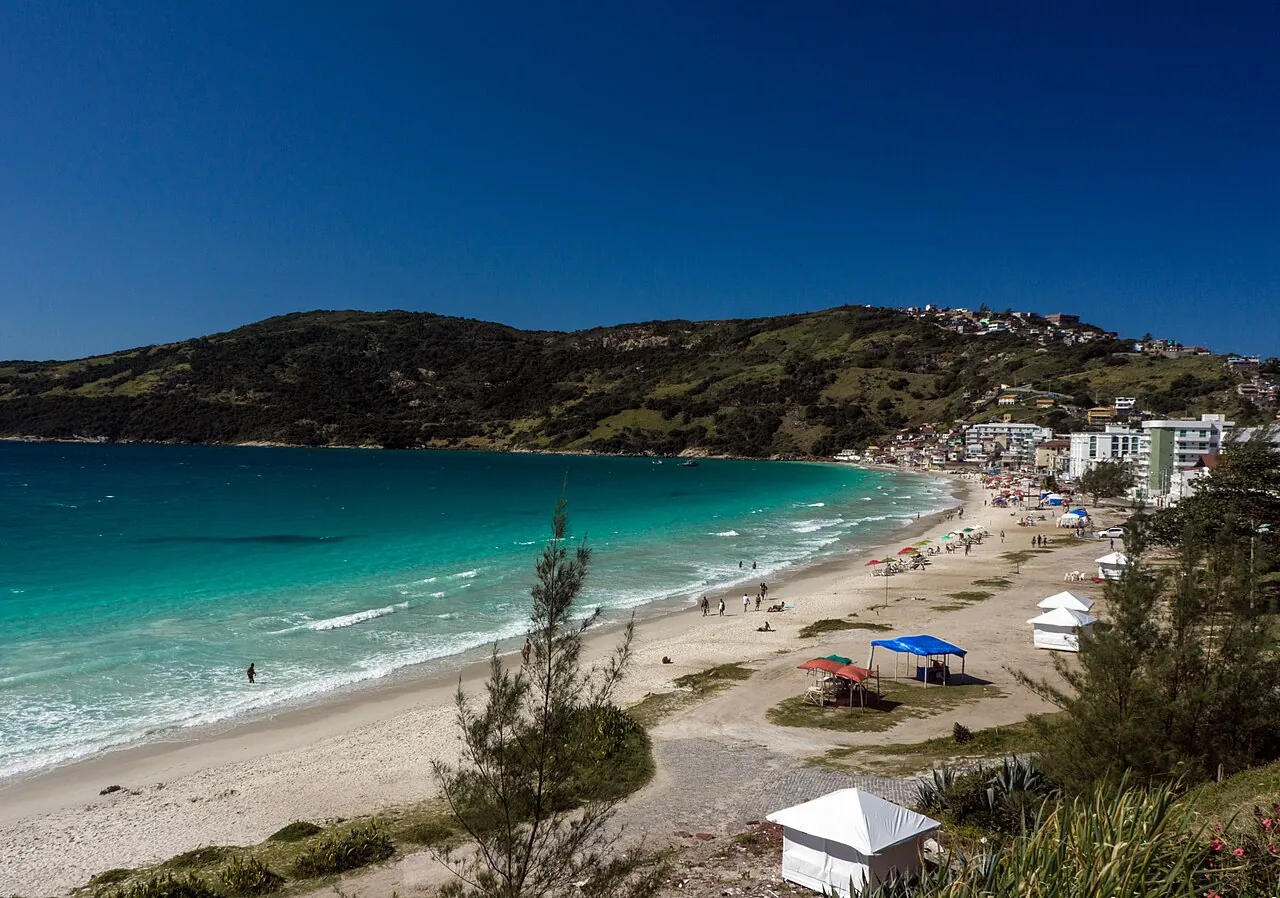
  34. Photo: Noel Portugal / CC BY 2.0, via Wikimedia Commons

    Arraial do Cabo

    Rio de Janeiro State · Beaches

    Arraial do Cabo in Rio de Janeiro State is known as the 'Brazilian Caribbean' for its turquoise water and white sand beaches. Boat trips from Arraial do Cabo visit beaches and snorkelling spots. Visit between December and March.

    Best: December to March · Allow 2 days

  35. Photo: Angelo Leithold / CC BY-SA 3.0, via Wikimedia Commons

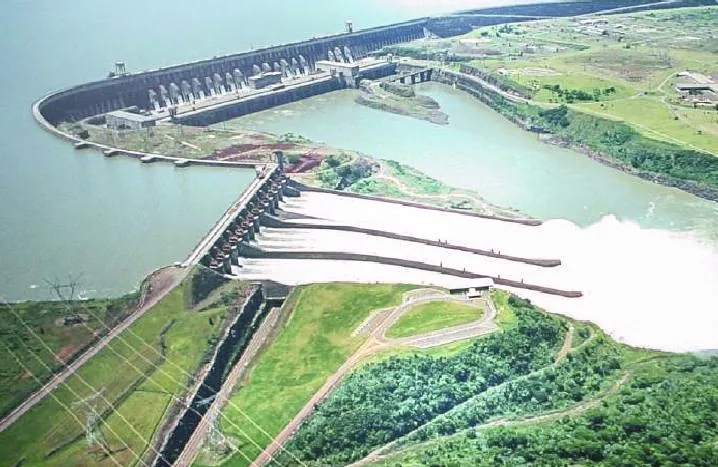
    Itaipu Dam

    Foz do Iguaçu · Hydroelectric Dam

    The Itaipu Dam on the Paraná River is one of the world's largest hydroelectric dams, shared by Brazil and Paraguay. Tours of the Itaipu Dam explain its engineering and offer views of the spillway. It is close to Iguaçu Falls.

    Best: Year-round · Allow 2 hours

  36. Photo: Jorge Andrade from Rio de Janeiro, Brazil / CC BY 2.0, via Wikimedia Commons

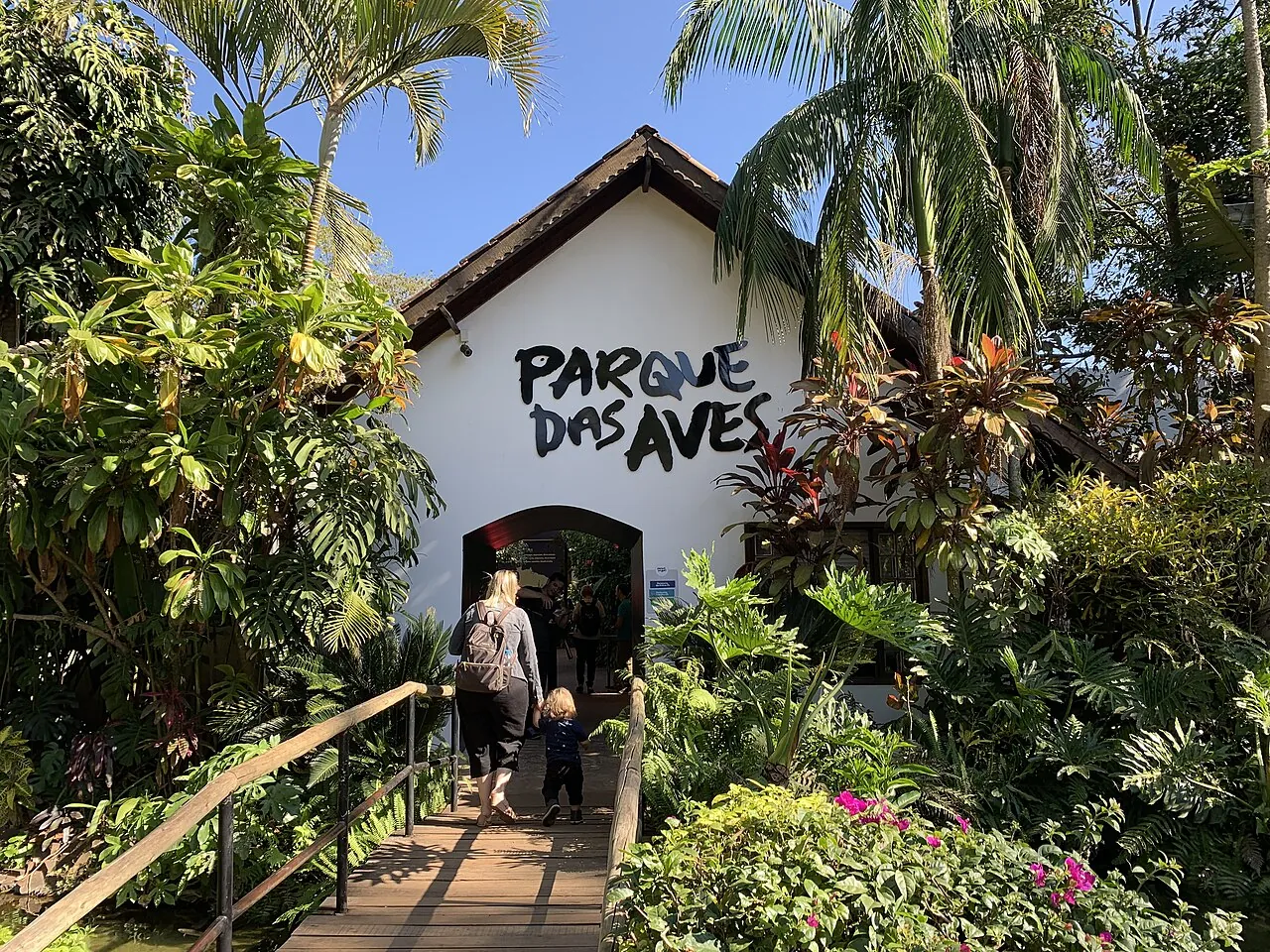
    Parque das Aves

    Foz do Iguaçu · Bird Park

    Parque das Aves in Foz do Iguaçu is a bird park with walk-through aviaries full of toucans, macaws and other tropical birds. Parque das Aves focuses on conservation of Atlantic Forest species. It is right next to the entrance to Iguaçu Falls.

    Best: Year-round · Allow 2 hours

  37. Photo: Marina Campos Vinhal / CC BY 2.0, via Wikimedia Commons

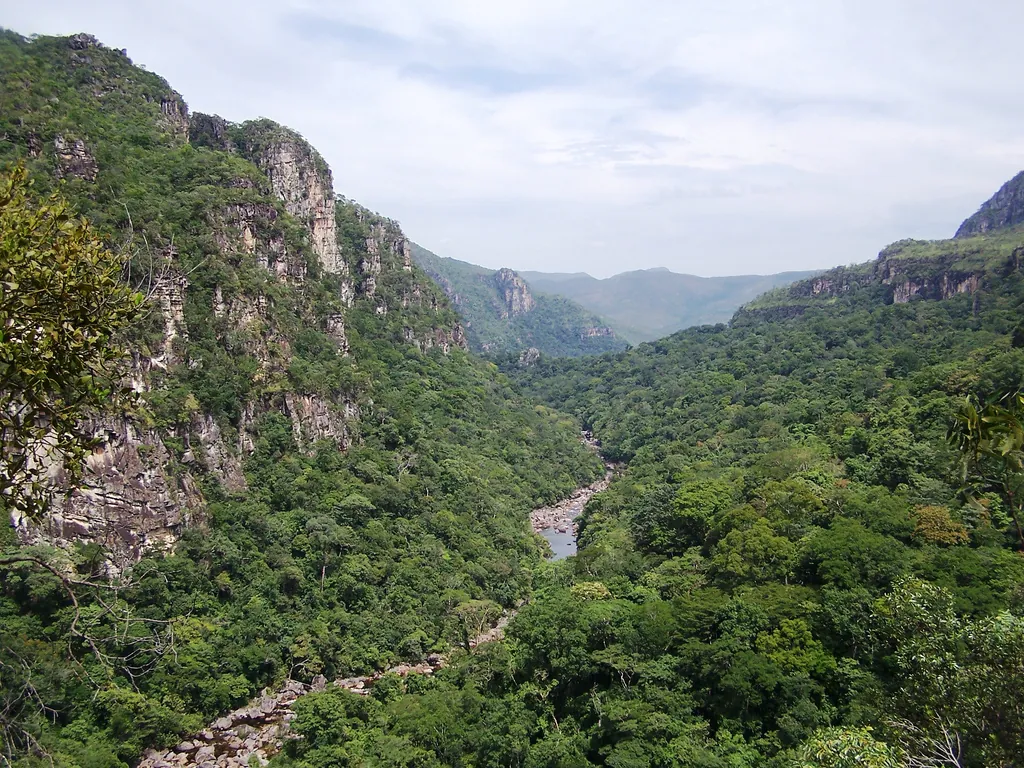
    Chapada dos Veadeiros

    Goiás · UNESCO World Heritage Site, National Park

    Chapada dos Veadeiros National Park in Goiás is a UNESCO World Heritage Site of waterfalls, canyons and crystal formations in the cerrado savanna. Hikes in Chapada dos Veadeiros lead to stunning swimming spots. Visit between May and September.

    Best: May to September · Allow 3 days

  38. Photo: Arne Müseler / CC BY-SA 3.0 de, via Wikimedia Commons

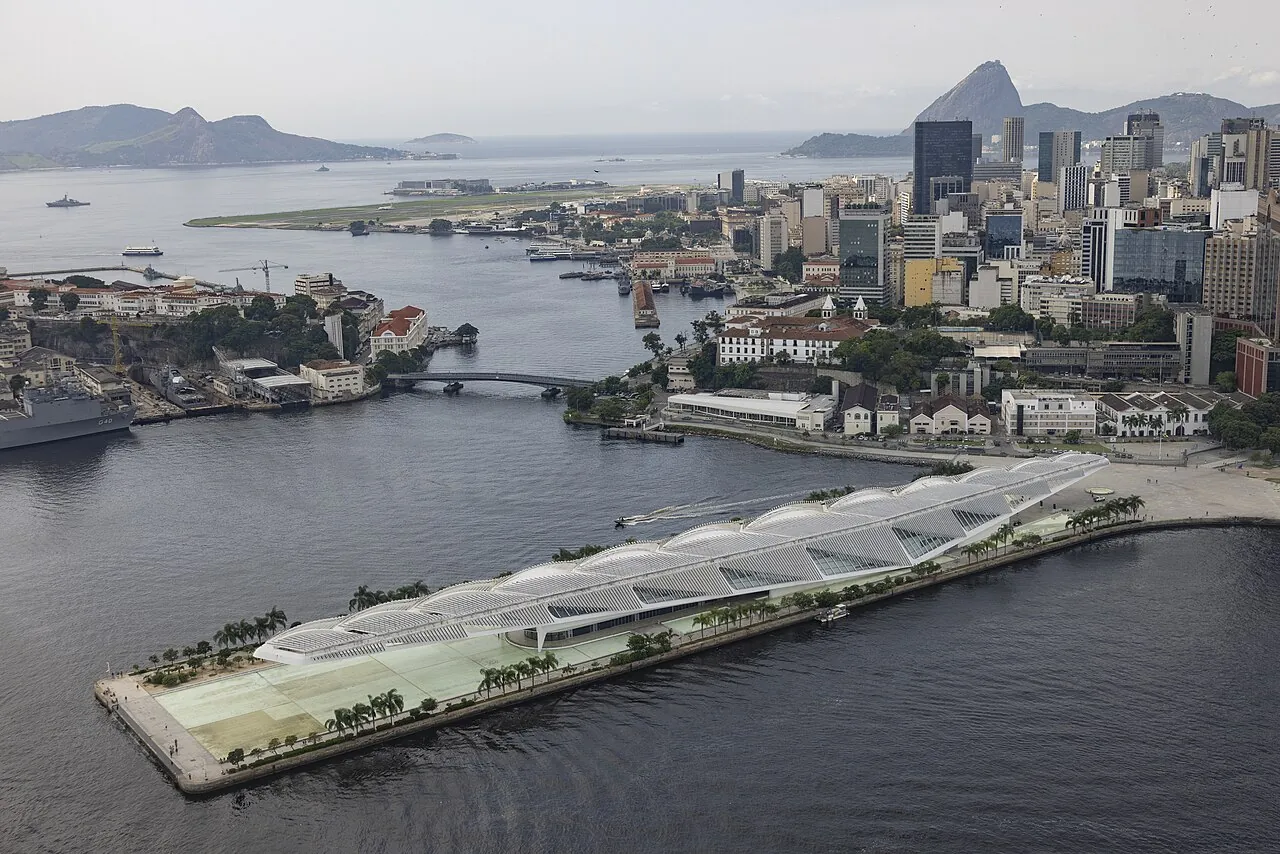
    Museum of Tomorrow

    Rio de Janeiro · Science Museum

    The Museum of Tomorrow in Rio de Janeiro is a futuristic science museum designed by Santiago Calatrava on the waterfront. The Museum of Tomorrow explores sustainability and the future of humanity. It is part of the revitalised port area.

    Best: Year-round · Allow 2 hours

  39. Photo: Elvis Boaventura / CC BY 3.0, via Wikimedia Commons

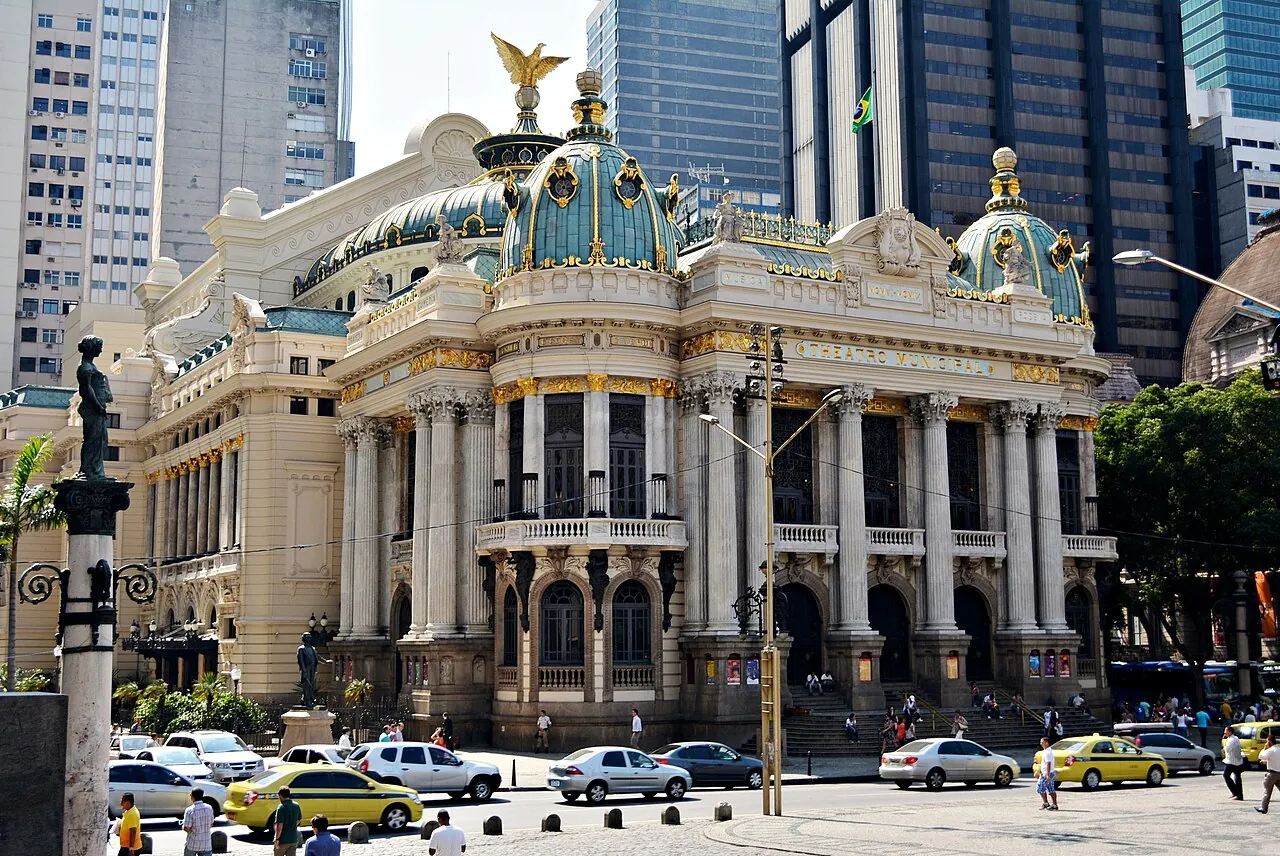
    Theatro Municipal

    Rio de Janeiro · Opera House

    The Theatro Municipal in Rio de Janeiro is a grand opera house inspired by the Paris Opera. Guided tours of the Theatro Municipal reveal its marble, gold and stained glass. Performances include opera, ballet and concerts.

    Best: Year-round · Allow 1 hour

  40. Photo: tsc_traveler [2] / CC BY 2.0, via Wikimedia Commons

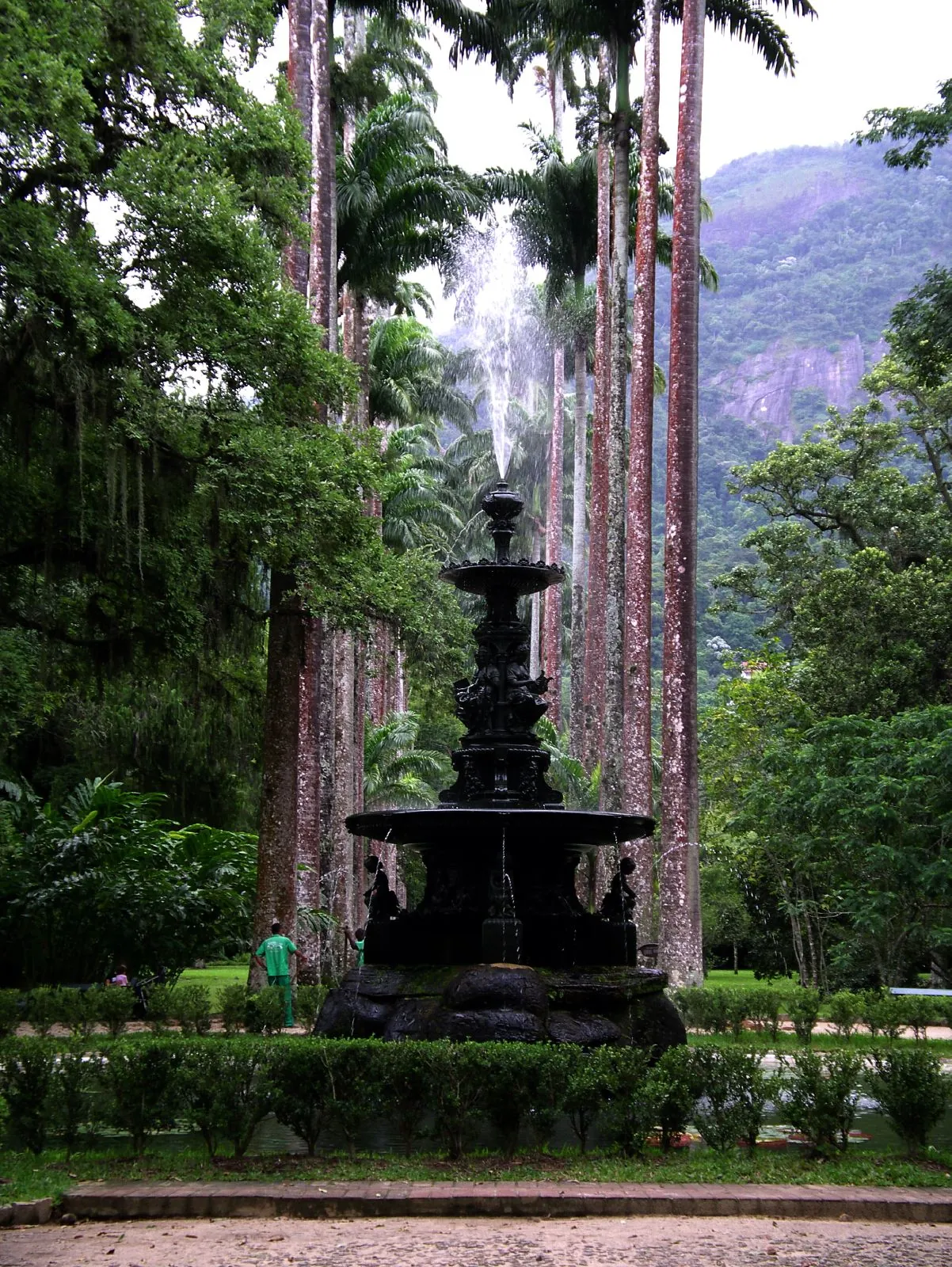
    Rio Botanical Garden

    Rio de Janeiro · Botanical Garden

    The Rio Botanical Garden was founded in 1808 and is famous for its avenue of royal palms. The Rio Botanical Garden is home to thousands of plant species, orchids and monkeys. It is a peaceful escape in the city.

    Best: Year-round · Allow 2 hours

  41. Photo: Mcalvet / CC BY-SA 3.0, via Wikimedia Commons

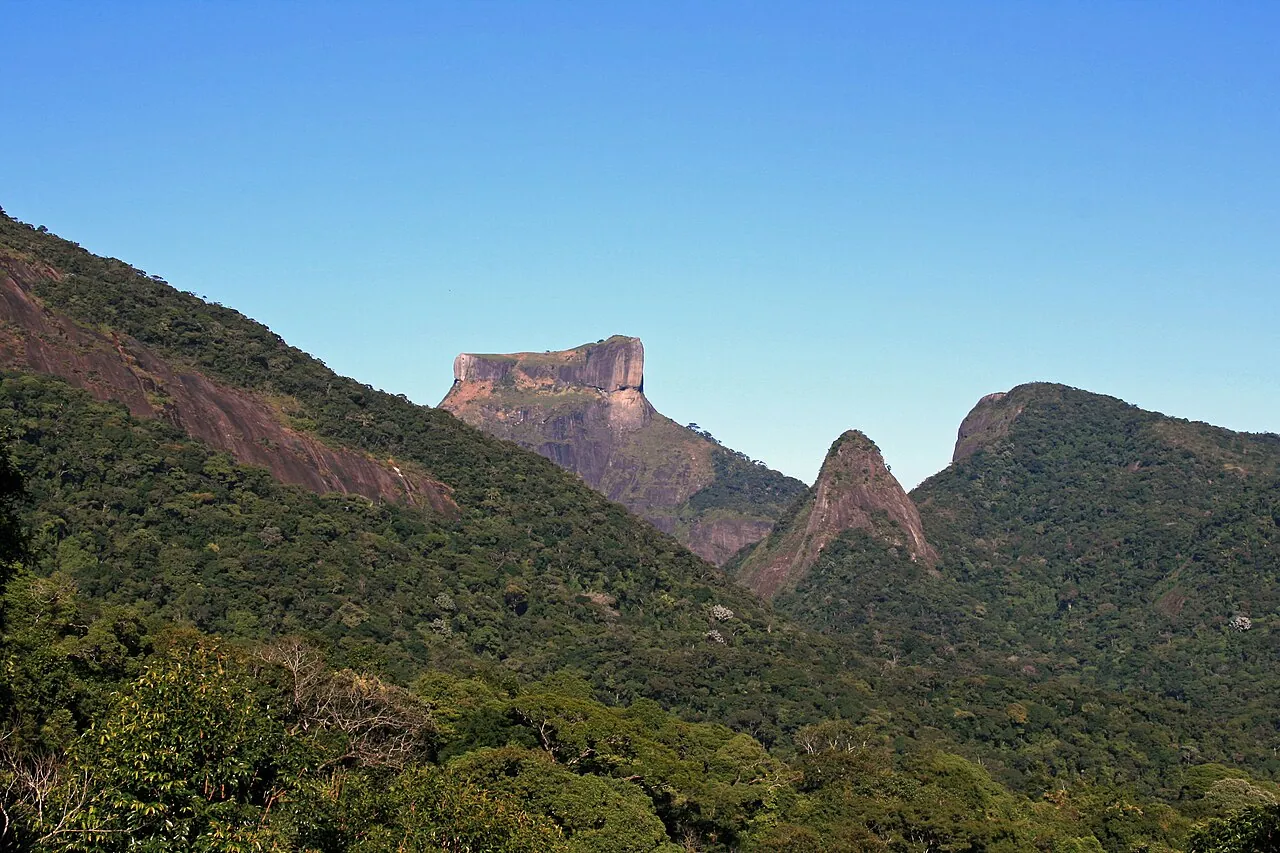
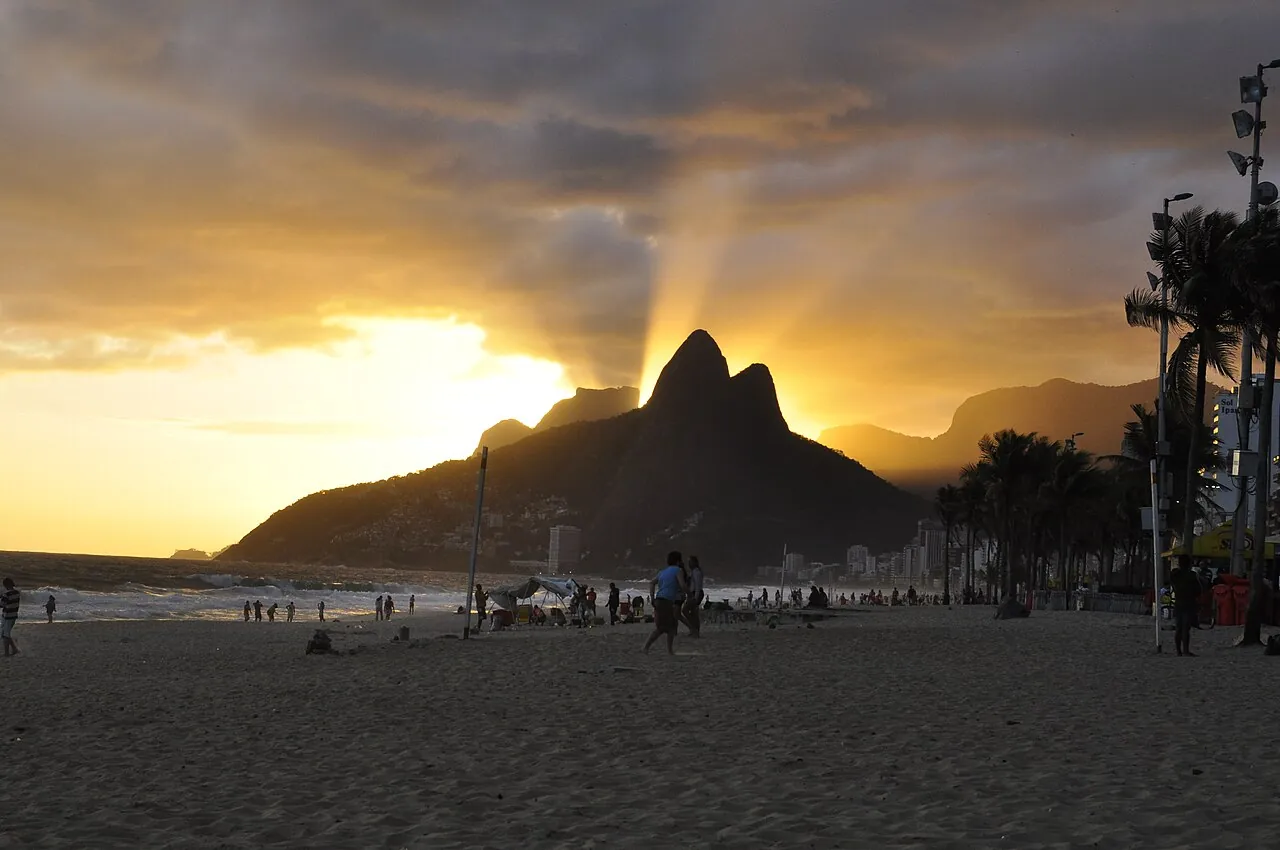
    Morro Dois Irmãos (Vidigal)

    Rio de Janeiro · Viewpoint Hike

    Morro Dois Irmãos is a twin-peaked mountain in Rio de Janeiro, reached by a short hike from the Vidigal community. The summit of Morro Dois Irmãos (Vidigal) offers spectacular views over Ipanema, Leblon and the lagoon. Go at sunset with a local guide.

    Best: Sunset · Allow 2 hours

  42. Photo: Ezarate / CC BY-SA 3.0, via Wikimedia Commons

    Morro de São Paulo

    Bahia · Car-free Island Village

    Morro de São Paulo is a car-free island village in Bahia, with beaches numbered from first to fifth. Morro de São Paulo is known for its lively atmosphere, natural pools and relaxed vibe. It is reached by boat from Salvador.

    Best: September to March · Allow 2-3 days

  43. Photo: Michel Y.G. Meunier / Public domain, via Wikimedia Commons

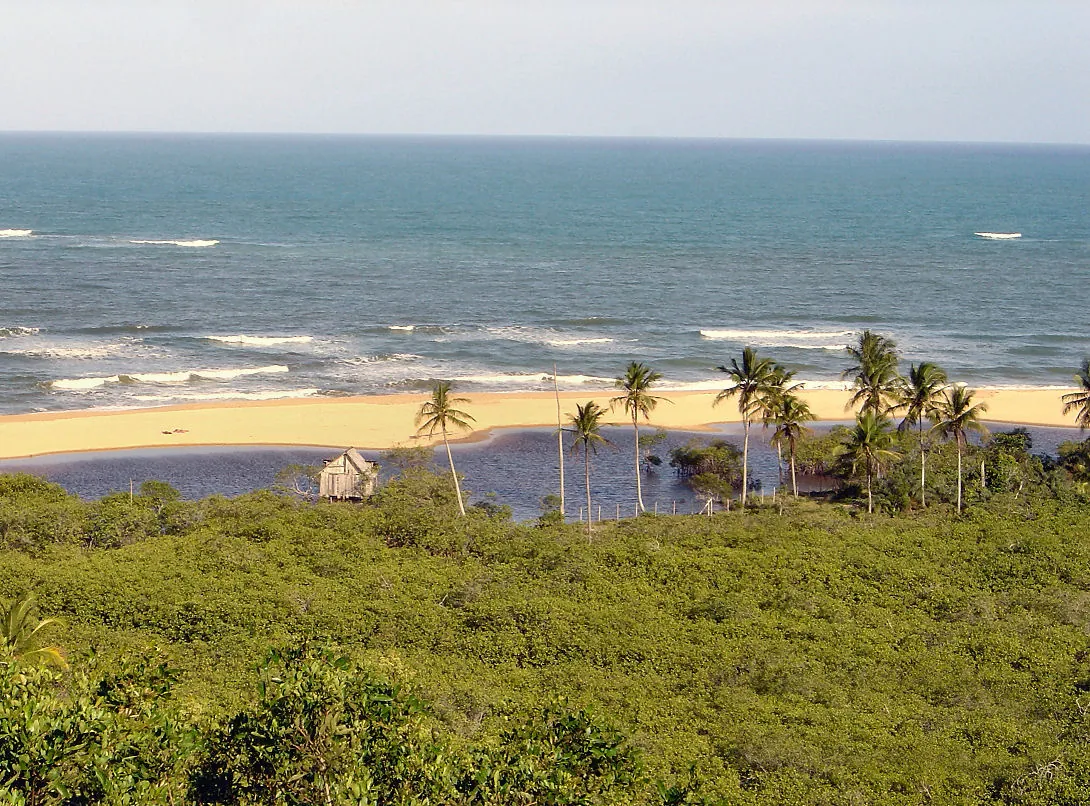
    Trancoso

    Bahia · Beach Village

    Trancoso is a chic beach village in Bahia, centred on a grassy square called the Quadrado. Trancoso's colourful houses, restaurants and beautiful beaches make it a popular escape. Visit between December and March.

    Best: December to March · Allow 2-3 days

  44. Photo: Jurema Oliveira / CC BY-SA 3.0, via Wikimedia Commons

    Ilhabela

    São Paulo State · Island

    Ilhabela is an island off the coast of São Paulo State, covered in Atlantic rainforest. Ilhabela offers waterfalls, beaches and excellent diving. It is reached by a short ferry ride.

    Best: December to March · Allow 2 days

  45. Photo: idobi / CC BY-SA 3.0, via Wikimedia Commons

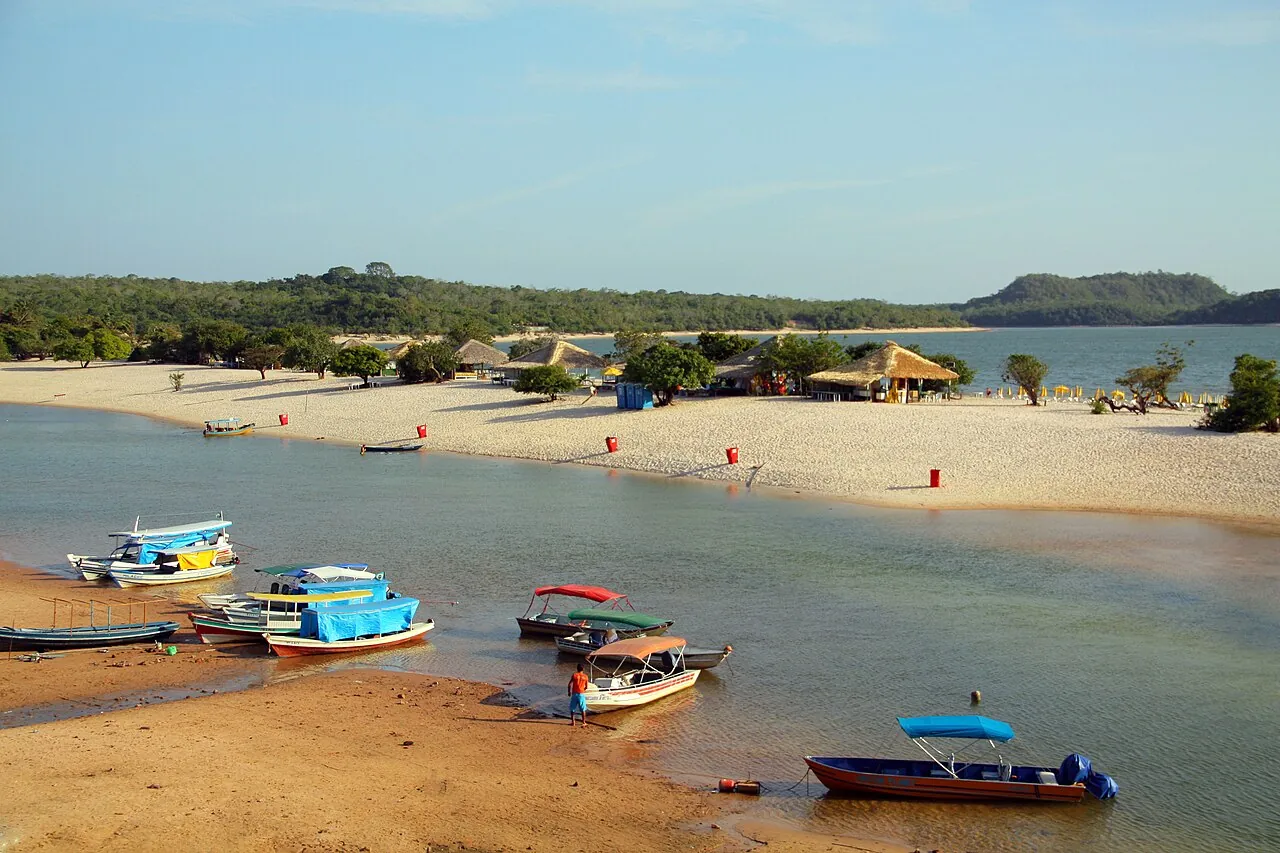
    Alter do Chão

    Pará · Amazon River Beaches

    Alter do Chão in Pará is a village on the Tapajós River famous for its white-sand river beaches, often called the 'Amazon Caribbean'. Alter do Chão is best between August and December, when water levels drop and the beaches appear.

    Best: August to December · Allow 2-3 days

  46. Photo: Valdiney Pimenta / CC BY 2.0, via Wikimedia Commons

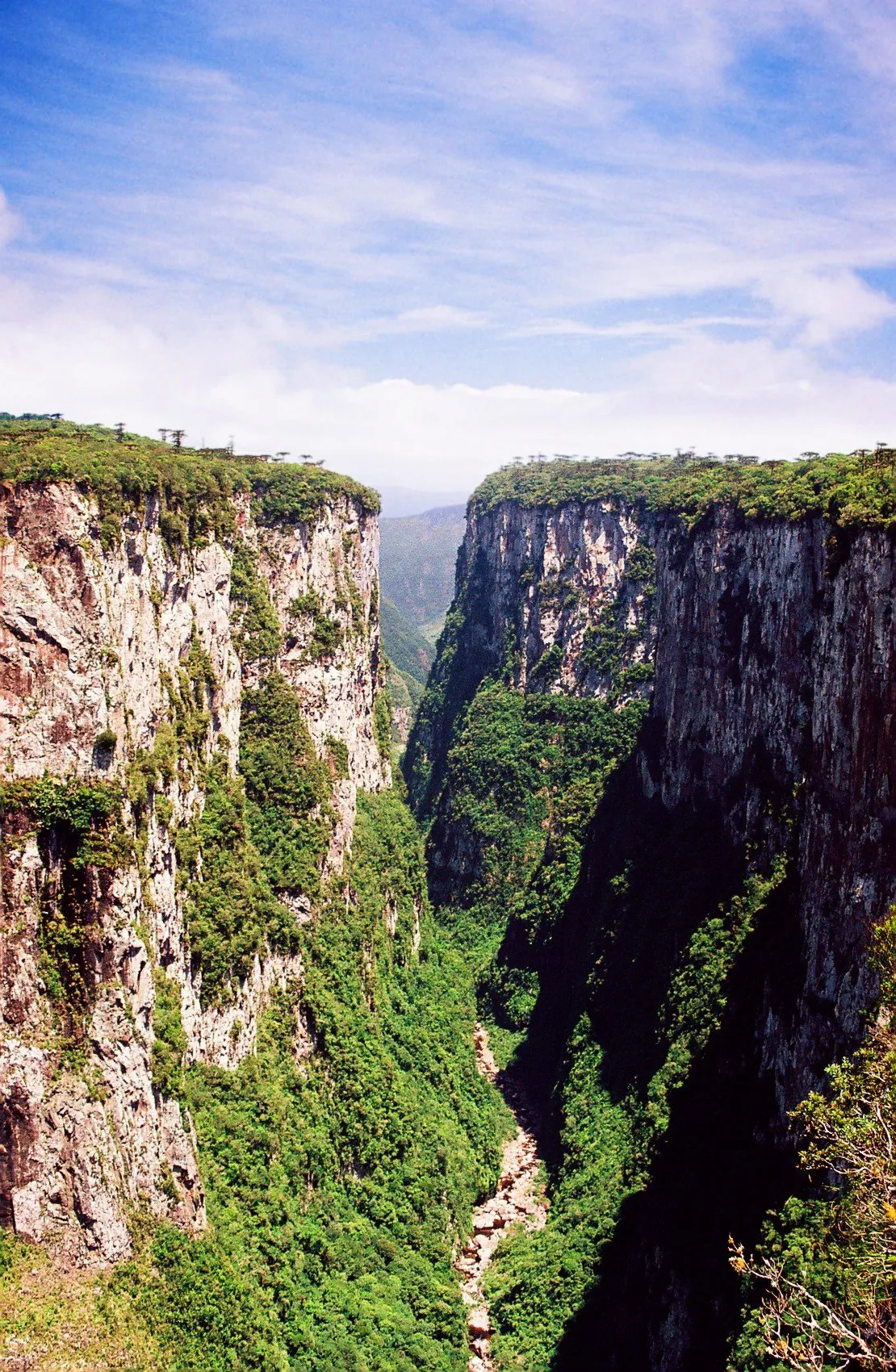
    Canyon Itaimbezinho

    Rio Grande do Sul · Canyon

    Canyon Itaimbezinho in Rio Grande do Sul is a dramatic canyon with sheer walls dropping hundreds of metres. Trails along Canyon Itaimbezinho offer spectacular views of waterfalls and cliffs. Visit between April and August.

    Best: April to August · Allow Full day

  47. Photo: Jorge Brazilian from Rio de Janeiro, Brazil / CC BY 2.0, via Wikimedia Commons

    Canoa Quebrada

    Ceará · Beach, Red Cliffs

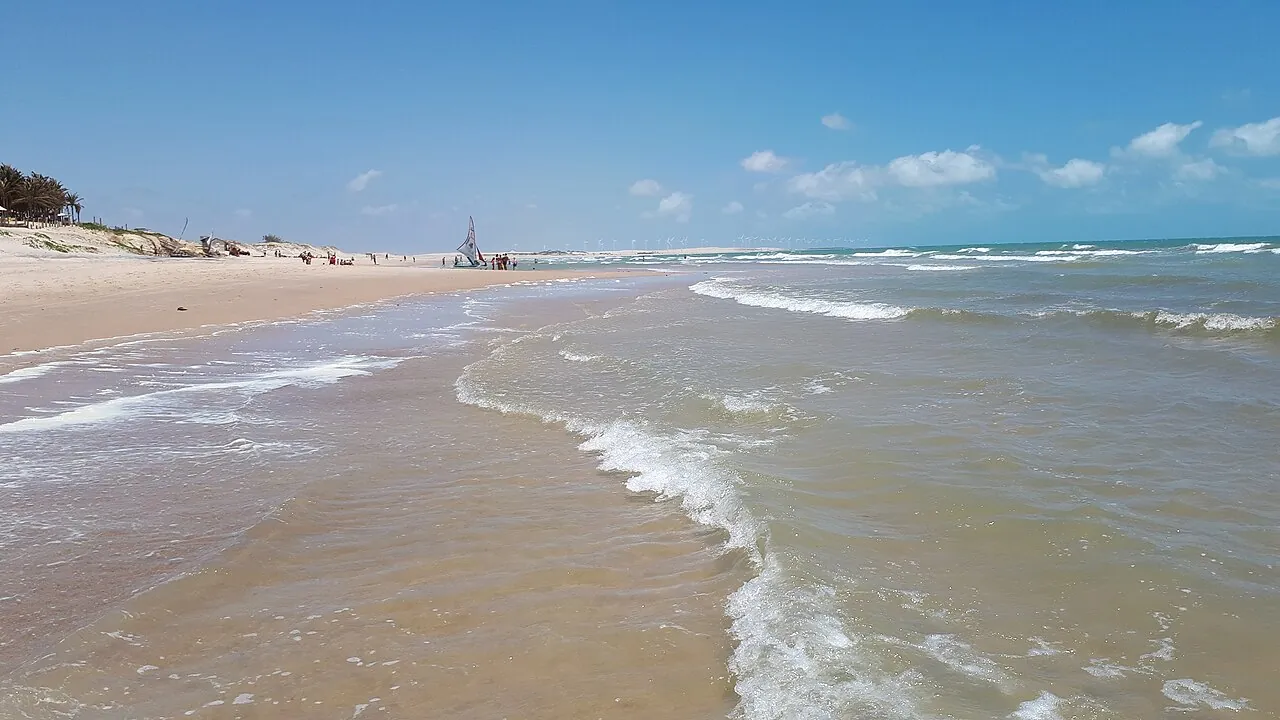
    Canoa Quebrada in Ceará is a beach village known for its red cliffs and dunes. Canoa Quebrada offers buggy rides, paragliding and a lively atmosphere. Visit between July and January.

    Best: July to January · Allow 2 days

  48. Photo: Leon petrosyan / CC BY-SA 4.0, via Wikimedia Commons

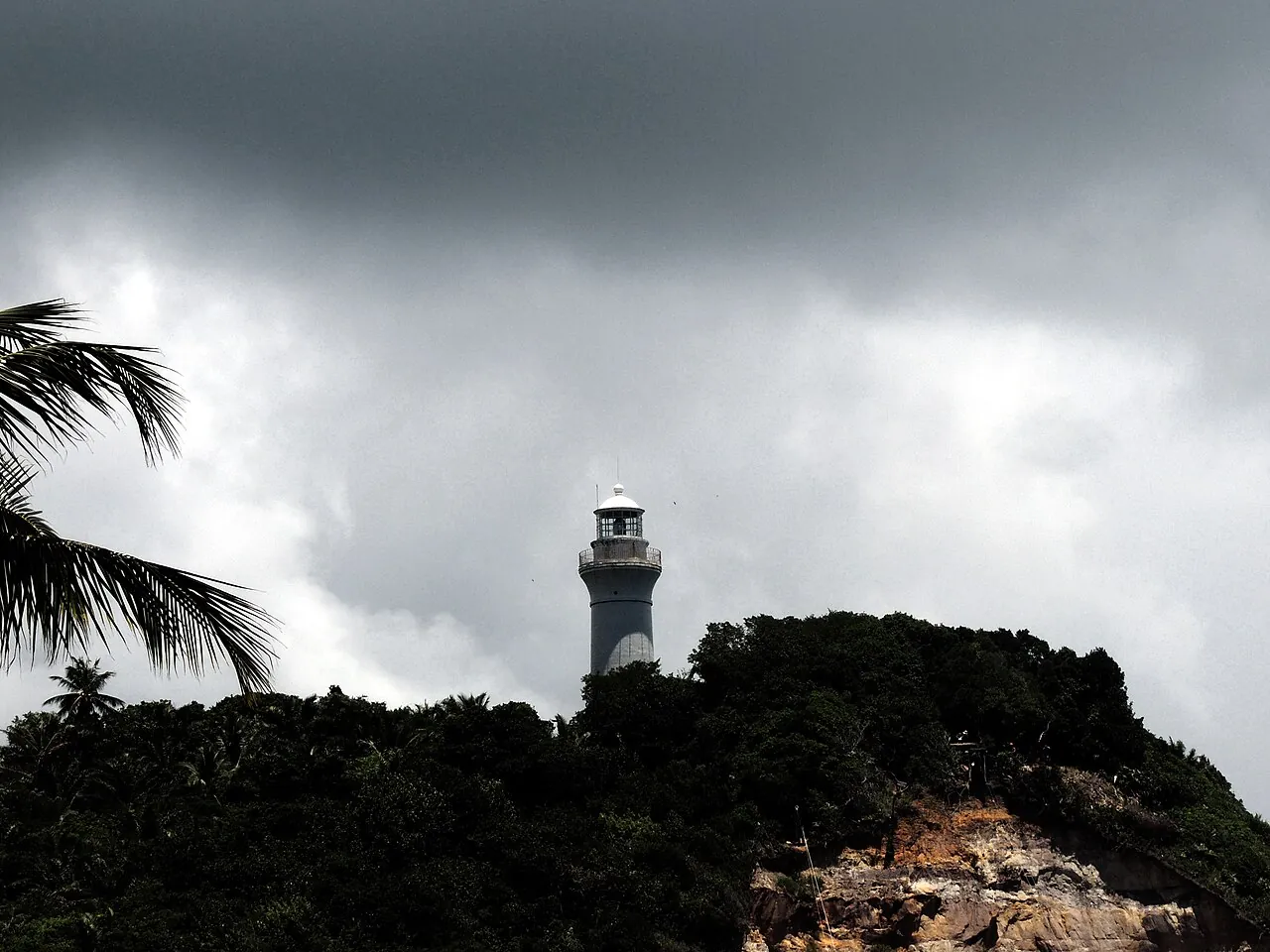
    Farol da Barra

    Salvador, Bahia · Lighthouse, Sunset

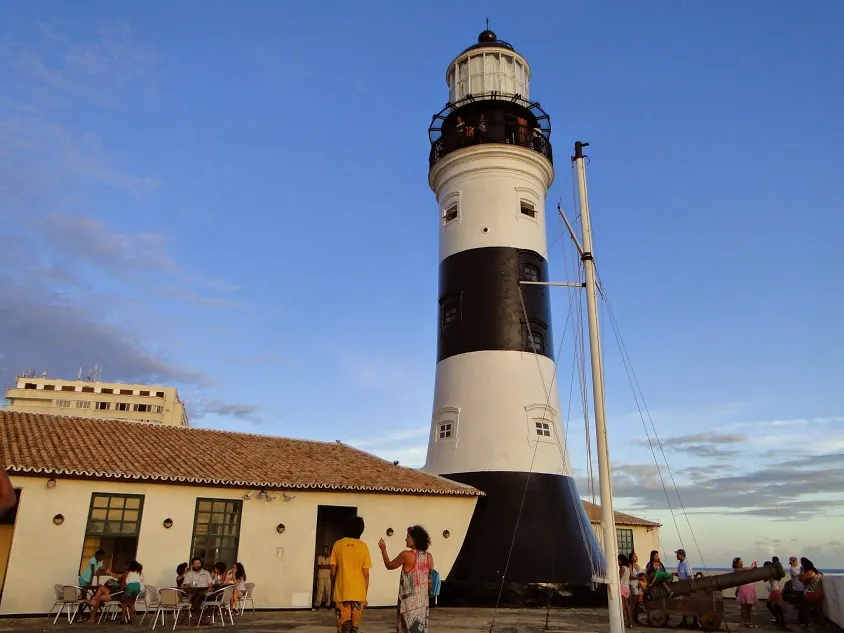
    Farol da Barra is a historic lighthouse and fort in Salvador, Bahia, famous for its sunsets. Farol da Barra houses a nautical museum, and the surrounding beach is popular for swimming. Watch the sunset with locals.

    Best: Sunset · Allow 1 hour

  49. Photo: charles242 / CC BY 3.0, via Wikimedia Commons

    Blumenau (Oktoberfest)

    Santa Catarina · German Town, Festival

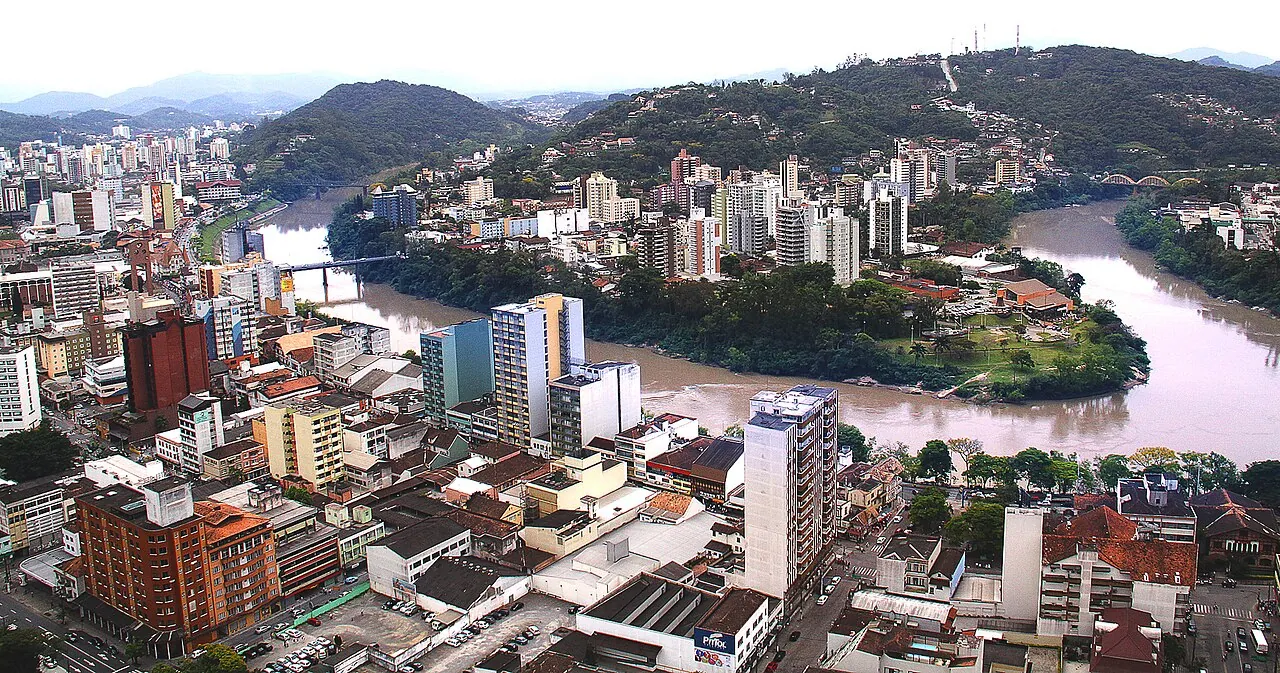
    Blumenau in Santa Catarina is a German-founded town famous for Brazil's biggest Oktoberfest. Blumenau (Oktoberfest) celebrates German culture with beer, music and food each October. The town's architecture reflects its German heritage.

    Best: October · Allow 1-2 days

  50. Photo: Daniel Raposo / CC BY-SA 4.0, via Wikimedia Commons

    Pampulha Modern Ensemble

    Belo Horizonte · UNESCO World Heritage Site, Architecture

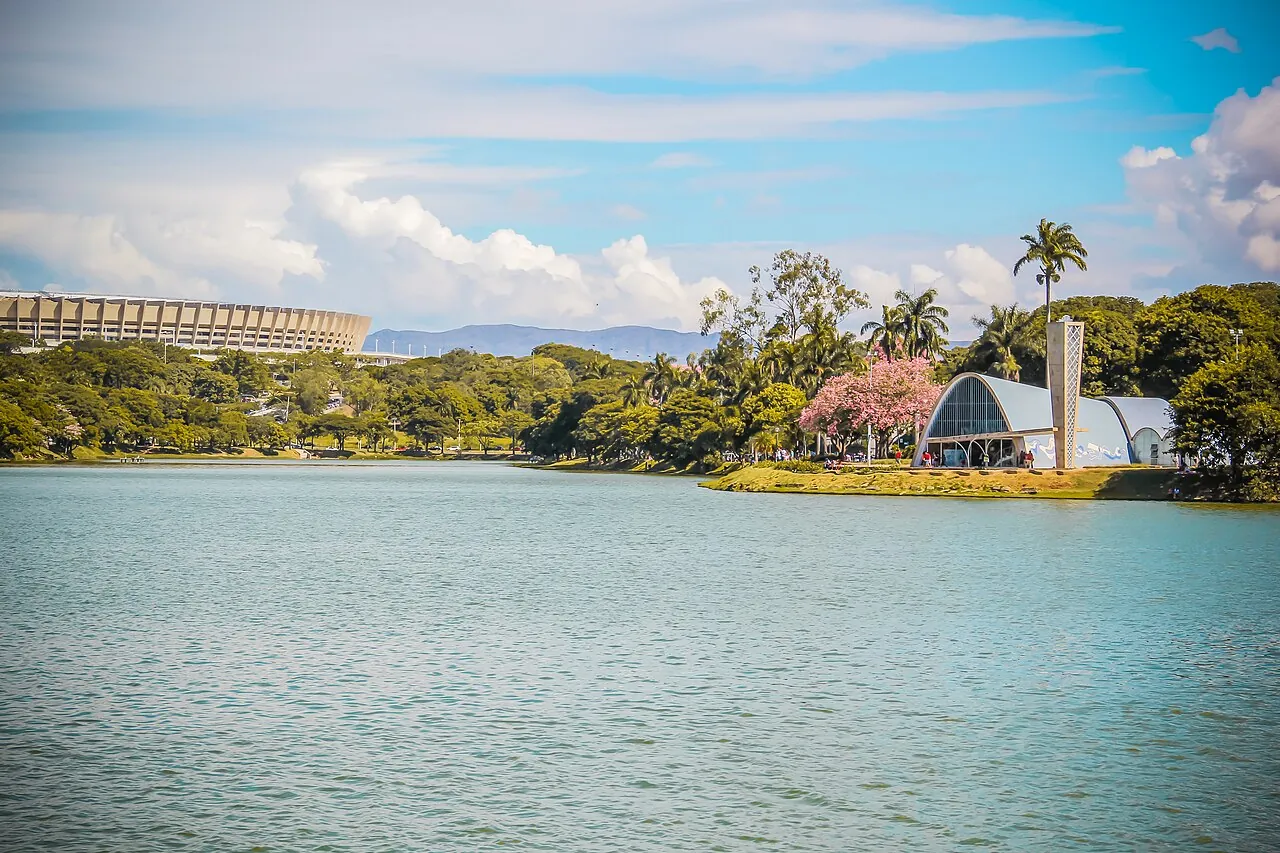
    The Pampulha Modern Ensemble in Belo Horizonte is a UNESCO World Heritage Site featuring early buildings by Oscar Niemeyer around a lake. Highlights of the Pampulha Modern Ensemble include the Church of St. Francis of Assisi, with murals by Cândido Portinari.

    Best: Year-round · Allow Half day

What to eat and drink in Brazil

Brazil food & drink

BR · South America

Food

  • Feijoada

    Black bean and pork stew, traditionally on Saturdays.

  • Churrasco

    Rodízio barbecue; try picanha.

  • Pão de queijo

    Cheese bread.

  • Moqueca

    Bahian fish stew with coconut and dendê oil.

  • Acarajé

    Black-eyed pea fritters from Bahia.

  • Coxinha

    Chicken croquette.

Sweets

  • Brigadeiro

    Chocolate fudge balls.

  • Açaí bowl

    Frozen açaí with granola.

  • Quindim

    Coconut egg custard.

Drinks

  • Guaraná

    Guaraná Antarctica soda.

  • Caldo de cana

    Sugarcane juice.

  • Cafezinho

    Small sweet coffee.

Alcohol

  • Caipirinha

    Cachaça, lime and sugar.

  • Cachaça

    Sugarcane spirit; try aged versions.

  • Chopp

    Ice-cold draught beer.

Tips

  • Por quilo restaurants charge food by weight.

Ranked by estimated popularity across TripAdvisor, YouTube and Instagram/TikTok. Mixes popular tourist areas (towns, valleys, islands, parks) with specific attractions. Informed estimate, not official statistics.